Microwave-Safe Compostable Containers: Materials and Temperature Ratings
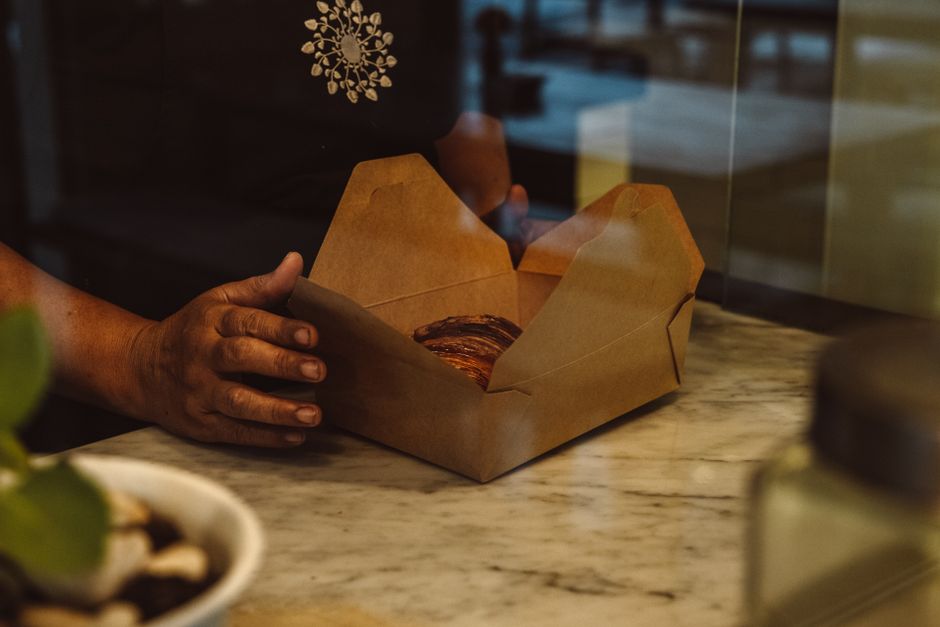
Microwave-Safe Compostable Containers: What You Need to Know
If you’re sourcing eco-friendly food packaging for a chain of restaurants, a meal prep service, or a catering company, you’ve probably asked: can compostable containers go in the microwave? The short answer is yes—but only if you choose the right materials and understand their temperature limits. At our factory, we’ve tested hundreds of containers across bagasse, PLA, cornstarch, and kraft paper. Not all compostable packaging is created equal. Some warp, leak, or even ignite under heat. This guide breaks down which materials work, which fail, and how to make smart purchasing decisions for your business.
Material Breakdown: Which Compostable Options Handle Microwaves?
Compostable containers fall into two categories: those that can handle heat and those that cannot. Let’s look at the four main materials.
Bagasse (Sugarcane Fiber)
Bagasse is the gold standard for microwave-safe compostable containers. Made from sugarcane pulp, it withstands temperatures up to 120°C (248°F) for short bursts. A typical 750ml bagasse clamshell costs $0.15–0.20 per piece at a 50,000 MOQ. It’s sturdy, grease-resistant, and can handle 3–5 minutes on high power without deforming. One caveat: prolonged microwaving (over 5 minutes) may cause drying and slight brittleness. We recommend bagasse for soups, stews, and pasta reheats.
PLA (Polylactic Acid)
PLA is a bioplastic made from corn or sugarcane. Most standard PLA has a heat deflection temperature of only 55°C (131°F). That means it softens and deforms in a microwave. However, there are heat-resistant PLA blends (often called CPLA or PLA+). These can handle up to 85°C (185°F) for short periods. A 500ml CPLA bowl costs $0.08–0.12 per piece at 50k MOQ. But even CPLA is not safe for reheating fatty foods or high-oil items, which can reach temperatures above 85°C. For cold foods or brief reheating of mild dishes, PLA works. For anything else, pick bagasse.
Cornstarch (Thermoplastic Starch)
Cornstarch-based containers are less common and generally not microwave-safe. They have low heat tolerance (around 60°C) and can turn gummy or break down in moisture. We avoid recommending cornstarch for hot applications. Use them for dry snacks or cold salads only.
Kraft Paper
Kraft paper containers are often coated with a thin layer of PLA or PE to prevent leaks. Uncoated kraft paper is not microwave-safe—it absorbs moisture and can catch fire. Coated kraft paper can handle moderate heat (up to 100°C) if the coating is heat-stable. A 16oz kraft paper bowl costs $0.06–0.10 per piece at 50k MOQ. But always check the coating type. PE-coated paper is not compostable; PLA-coated is. Even then, microwave times should be limited to 2–3 minutes. For hot soup, we still prefer bagasse.
Temperature Ratings and Testing Standards
Temperature ratings are not just marketing numbers. They come from standardized tests. For microwave safety, we reference FDA 21 CFR 176.170 for food contact and heat resistance. This test simulates worst-case scenarios: 100°C for 30 minutes or microwave at full power for 2 minutes. Containers that pass this can be labeled microwave-safe. But many compostable containers are only tested for cold or hot fill (e.g., 95°C for 2 hours). Always request the manufacturer’s test reports. At our factory, we test at 120°C for 5 minutes to ensure a safety margin.
Here’s a quick comparison of typical temperature limits:
| Material | Max Temp (Short Burst) | Microwave Safe? | Cost per 500ml (50k MOQ) |
|---|---|---|---|
| Bagasse | 120°C (248°F) | Yes | $0.15–0.20 |
| PLA (standard) | 55°C (131°F) | No | $0.08–0.12 |
| CPLA (heat-resistant) | 85°C (185°F) | Limited | $0.10–0.15 |
| Cornstarch | 60°C (140°F) | No | $0.07–0.10 |
| Kraft paper (PLA-coated) | 100°C (212°F) | Yes (short) | $0.06–0.10 |
Common Misconception: "Compostable" Means Microwave-Safe
Here’s a myth we hear all the time: “If it’s compostable, it must be safe for the microwave.” Not true. Compostability and heat resistance are two different properties. A container that breaks down in a commercial compost facility (ASTM D6400 or EN13432 certified) may still melt in your microwave. PLA is a perfect example. It’s fully compostable but has low heat tolerance. Always verify both certifications: compostability (e.g., BPI, OK Compost) and microwave safety (FDA or internal testing). Don’t assume.
Practical Tips for Buying Microwave-Safe Compostable Containers
Here’s what we tell our B2B clients when they’re sourcing:
- Ask for test reports. Request microwave safety data per FDA 21 CFR 176.170. If they can’t provide it, move on.
- Check the material. Bagasse is your safest bet for hot, oily, or saucy foods. CPLA works only for low-fat items.
- Test your actual use case. Simulate your microwave reheating routine. A 2-minute reheat for soup is different from a 6-minute cycle for a burrito.
- Watch for coatings. Some kraft paper bowls have a thin plastic lining that may not be compostable. Look for “PLA-coated” and confirm compostability.
- Consider lid compatibility. Even if the container is microwave-safe, the lid may not be. PLA lids often warp. Use bagasse or vented paper lids.
Real-World Examples: What Works and What Doesn’t
We’ve seen it all. A client used standard PLA containers for a hot soup takeout program. Within weeks, they got complaints of leaking lids and deformed bowls. They switched to bagasse and the issues vanished. Another client used kraft paper bowls for a microwaveable mac and cheese product. The bowls held up for 2 minutes but started leaking after 3. They extended the coating thickness and solved it. The lesson: test thoroughly before scaling. Also, be aware that high-fat foods (like bacon or oily curries) can exceed 100°C in hotspots. Bagasse handles that; most other materials don’t.
FAQs About Microwave-Safe Compostable Containers
Can I microwave a PLA container if I only heat for 30 seconds?
Even short bursts can soften PLA if the food is hot enough. For a 30-second reheat of a cold item, standard PLA might survive. But for consistent safety, we recommend bagasse or CPLA. The risk of deformation is high with standard PLA.
Are bagasse containers truly microwave-safe for all foods?
Bagasse handles most foods well, but avoid microwaving empty containers or foods with very low moisture (like popcorn). Dry heat can cause charring. For oily foods, bagasse is excellent—it resists grease better than paper.
What certifications should I look for when buying microwave-safe compostable containers?
Look for ASTM D6400 or EN13432 for compostability, and FDA 21 CFR 176.170 or microwave-safe labeling. Some manufacturers also have UL or SGS reports. Don’t rely on generic “microwave safe” claims without documentation.
Making the Right Choice for Your Business
Choosing microwave-safe compostable containers is about balancing cost, performance, and sustainability. Bagasse is the top performer but costs more. Kraft paper with PLA coating is cheaper but has limits. CPLA fills a niche for cold or moderate heat. Cornstarch and standard PLA are best avoided for hot applications. At the end of the day, test, verify, and source from reputable suppliers. Your customers expect containers that don’t leak or melt—and your brand depends on it.
Looking for eco-friendly tableware?
We supply compostable bagasse, PLA, paper and cornstarch packaging worldwide. Get a free quote today.
Get Free Quote →