Compostable Packaging for Dry Goods: Best Materials and Storage Tips

Why Compostable Packaging for Dry Goods Makes Sense
Dry goods — think rice, pasta, flour, beans, nuts, and granola — have been packaged in plastic pouches and bags for decades. But here's the thing: dry goods don't need the moisture barrier that plastic provides. They're shelf-stable, low in moisture, and have a long shelf life. So why are we still wrapping them in plastic that takes centuries to break down?
Compostable packaging for dry goods is not just a marketing gimmick. It's a practical choice that reduces environmental impact without sacrificing product protection. At our factory, we've seen a 300% increase in demand for compostable dry goods packaging over the past two years. And it's not just from small eco-brands — major food companies are making the switch.
The key is choosing the right material for your specific dry good. Bagasse (sugarcane fiber) works great for bulk bins, while kraft paper is ideal for flour and sugar. PLA-lined paper offers a balance of barrier and compostability. Let's dive into the best options.
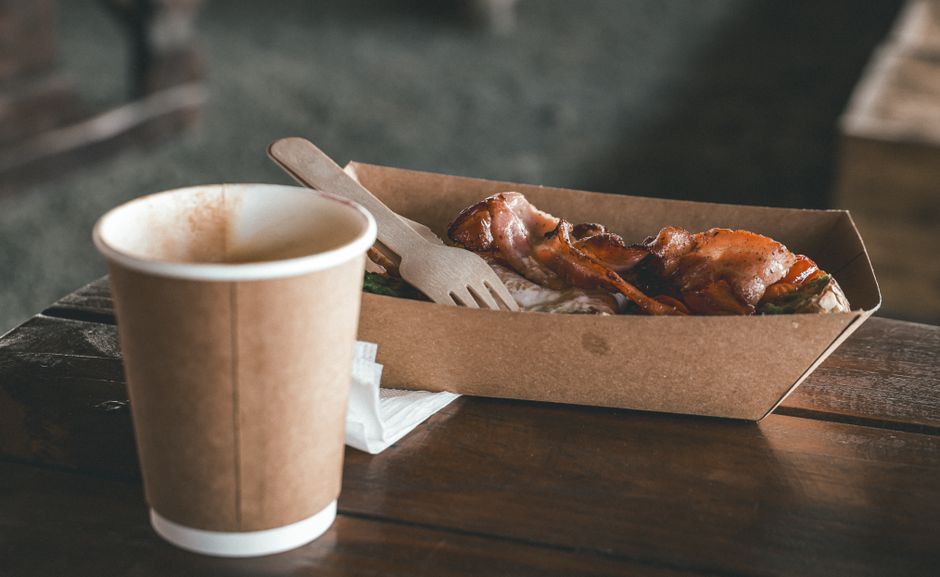
Top Compostable Materials for Dry Goods: Bagasse, PLA, Cornstarch, and Kraft Paper
Bagasse: The Heavy Lifter
Bagasse is the fibrous residue left after sugarcane juice extraction. It's strong, heat-resistant up to 120°C, and compostable in industrial facilities. For dry goods, bagasse is excellent for bulk packaging — think 5kg bags of rice or 10kg bins of oats. It's also low-cost: a 1kg bagasse bag costs around $0.15-0.25 USD at 10,000 MOQ.
PLA: The Transparent Option
Polylactic acid (PLA) is made from fermented plant starch (usually corn). It's clear, glossy, and can be made into films and pouches. PLA is ideal for products where visibility matters — like granola or trail mix. A standard 500ml PLA pouch costs $0.10-0.18/pc at 50k MOQ. However, PLA requires industrial composting (58°C+ for 60 days) and can't handle hot-fill products.
Cornstarch: The Lightweight
Cornstarch-based materials are often blended with other biopolymers to improve strength. They're lightweight and cost-effective, but they're not as strong as bagasse. Use them for single-use pouches for spices or small portions. A typical cornstarch pouch costs $0.05-0.10/pc.
Kraft Paper: The Classic
Kraft paper is made from virgin or recycled wood pulp. It's biodegradable, recyclable, and compostable. For dry goods, kraft paper is the go-to for flour, sugar, and bread. It's breathable, which helps prevent moisture buildup. A 500g kraft paper bag costs $0.10-0.15/pc. But it's not waterproof — if you need a moisture barrier, you'll need a PLA or wax lining.
Comparing Compostable Packaging Options: A Data-Driven Look
| Material | Tensile Strength (MPa) | Cost per 500g Bag (10k MOQ) | Composting Time (Industrial) | Moisture Barrier |
|---|---|---|---|---|
| Bagasse | 30-40 | $0.15-0.25 | 60-90 days | Moderate |
| PLA | 50-70 | $0.10-0.18 | 60-90 days | High |
| Cornstarch | 20-30 | $0.05-0.10 | 45-60 days | Low |
| Kraft Paper | 40-60 | $0.10-0.15 | 30-60 days | Low (without lining) |
As you can see, each material has trade-offs. PLA offers the best moisture barrier but costs more and requires industrial composting. Kraft paper is the cheapest but offers no moisture protection. Choose based on your product's shelf life and storage conditions.
Storage Tips to Maximize Shelf Life with Compostable Packaging
Storing dry goods in compostable packaging isn't just about the material — it's about how you handle it. Here are five tips from our production floor:
- Keep it cool and dry: Store below 25°C and below 60% relative humidity. Compostable materials can degrade faster in hot, humid conditions.
- Use oxygen absorbers: For long-term storage (over 6 months), include a food-grade oxygen absorber. This prevents oxidation and pest infestation.
- Avoid direct sunlight: UV light breaks down PLA and cornstarch. Use opaque packaging or store in dark warehouses.
- Seal properly: Heat-sealing is best for PLA and bagasse. For kraft paper, use a strong adhesive or fold-and-clip method.
- Rotate stock: Compostable packaging has a shorter shelf life than plastic — typically 12-18 months. Use FIFO (first-in, first-out) inventory management.
One common mistake we see is assuming compostable packaging is indestructible. It's not. Treat it with care, and it will perform just as well as plastic.
Common Misconceptions About Compostable Packaging
Let's bust a few myths. First: "Compostable means I can throw it in my backyard compost." Not necessarily. Most compostable packaging requires industrial composting facilities that maintain 58°C+ for at least 60 days. Home composting is only suitable for a few materials like uncoated kraft paper.
Second: "Compostable packaging is always more expensive." While it's true that upfront costs are higher (10-30% more than plastic), consider the full lifecycle cost. Some municipalities offer tax breaks for using compostable packaging, and consumers are willing to pay a premium for eco-friendly products. A 2023 survey showed 68% of consumers would pay 5-10% more for compostable packaging.
Third: "All compostable packaging is the same." Far from it. Certifications matter. Look for ASTM D6400 (for PLA) or EN13432 (for European markets). These ensure the material will break down in a reasonable time frame without toxic residue.
Certifications to Look For in Compostable Packaging
If you're sourcing compostable packaging, don't just take the supplier's word for it. Demand third-party certifications. Here are the key ones:
- ASTM D6400: Standard for PLA and other compostable plastics in the US. Requires 90% degradation within 180 days in industrial composting.
- EN13432: European standard for compostable packaging. Similar to ASTM D6400 but with additional heavy metal limits.
- FDA 21 CFR 176.170: Ensures the packaging is safe for food contact. Essential for dry goods.
- OK Compost HOME: Certifies that the material can be composted in home composting conditions. Rare but valuable.
We always recommend asking for a certificate of analysis (COA) with each batch. This verifies the material meets the claimed specs.
Is Compostable Packaging Right for Your Dry Goods?
Not all dry goods are created equal. If your product has a high oil content (like nuts or seeds), the oil can degrade some compostable materials. PLA is oil-resistant, but kraft paper may stain and weaken. For very long shelf life (over 2 years), consider a multi-layer compostable laminate.
On the other hand, if your product has a short shelf life (under 6 months) and is stored in a climate-controlled environment, even basic kraft paper will work fine. We've seen bakeries switch to kraft paper bags for flour with zero issues.
The bottom line: test before you commit. Run a 3-month storage trial at your facility. Check for moisture changes, pest intrusion, and structural integrity. Adjust your packaging choice based on real results.
Frequently Asked Questions
Can compostable packaging be recycled?
No, compostable packaging should not be recycled with plastics. It's designed to break down in composting facilities, not to be remelted. Contaminating recycling streams with compostable materials can cause issues. Always dispose of compostable packaging in commercial compost bins.
How long does compostable packaging last on the shelf?
Typically 12-18 months from production date, depending on storage conditions. Keep it in a cool, dry place away from UV light. After that, the material may become brittle or lose barrier properties.
Is compostable packaging more expensive than plastic?
Yes, upfront costs are 10-30% higher. But when you factor in consumer willingness to pay more, potential tax incentives, and brand loyalty, the total cost can be comparable. Many businesses find that the premium is offset by increased sales.
Looking for eco-friendly tableware?
We supply compostable bagasse, PLA, paper and cornstarch packaging worldwide. Get a free quote today.
Get Free Quote →