Compostable Packaging for Salads: Ventilation and Freshness Tips
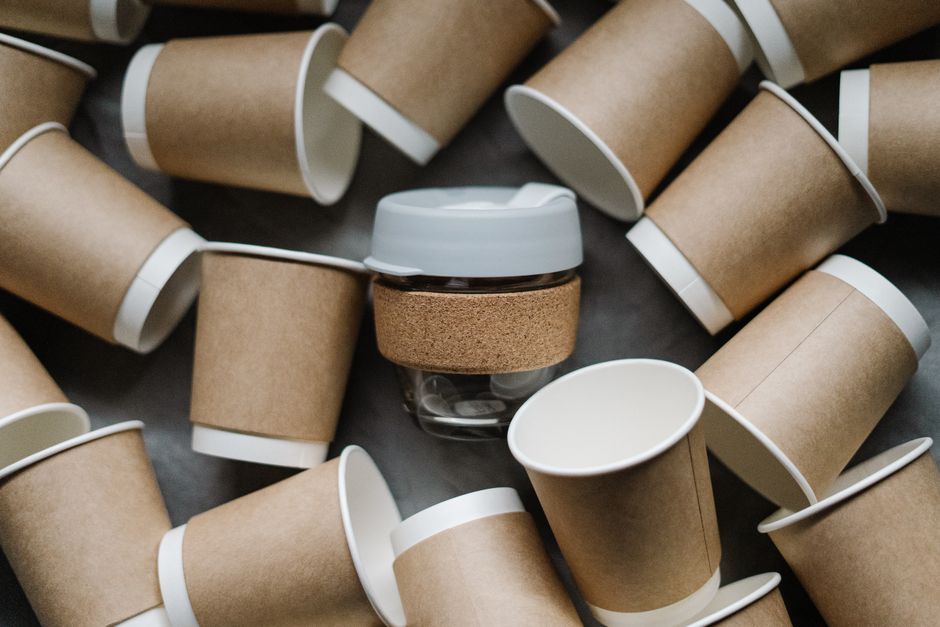
Why Compostable Packaging Is a Game-Changer for Salad Freshness
Salads are a high-moisture, high-respiration product. They need packaging that breathes without letting in contaminants. Traditional plastic clamshells do the job, but they're a PR nightmare for sustainability-minded brands. Compostable alternatives—bagasse, PLA, cornstarch blends, and kraft paper—are stepping up. But here's the catch: many compostable materials are more permeable than plastic, which can either help or hurt your salad's shelf life. We've tested dozens of configurations in our factory, and the right combination of material, thickness, and venting can keep salad crisp for 7–10 days. That's competitive with plastic.
Ventilation: The Science of Letting Your Salad Breathe
Salad leaves respire—they take in oxygen and release carbon dioxide and moisture vapor. If you trap all that moisture, you get soggy greens. If you let in too much oxygen, oxidation speeds up browning. The ideal oxygen transmission rate (OTR) for salad packaging is between 2000 and 4000 cc/m²/day at 23°C and 0% RH. PLA films typically offer OTR of 1500–2500, while bagasse trays are around 3000–5000. We recommend a micro-perforated PLA film lid for bagasse trays—perforations of 50–100 microns, spaced 10–15 mm apart. That gives you a balanced atmosphere. One client saw a 3-day extension in shelf life by switching from solid PLA to micro-perf PLA.
How to Choose the Right Venting Pattern
Not all salads are equal. A kale-based mix with hearty greens can handle less venting than delicate butter lettuce or arugula. For sensitive greens, use fewer, smaller perforations. For chopped salads with carrots and cabbage, you can increase venting. We've run trials with 6, 8, and 10 perforations per 100 cm². The sweet spot is 8 perforations for most mixes. Too many, and the salad dries out; too few, and condensation builds up. A simple rule: if you see fog on the lid after 24 hours, you need more venting.
Material Selection: Bagasse, PLA, Cornstarch, or Kraft?
Each material has its strengths. Bagasse (sugarcane fiber) is excellent for trays because it's rigid, absorbs minimal moisture, and composts in 60–90 days under industrial conditions. PLA (polylactic acid) works well for clear lids but is brittle at low temperatures. Cornstarch blends offer flexibility but can be pricier. Kraft paper is best for secondary packaging or as a wrap, but not for direct contact with wet salad—it loses strength. Here's a quick comparison based on our production data:
| Material | Cost per unit (50k MOQ) | OTR (cc/m²/day) | Composting time (industrial) | Moisture resistance |
|---|---|---|---|---|
| Bagasse tray (10x10x3") | $0.18–0.25 | 3000–5000 | 60–90 days | Good |
| PLA lid (clear, 10x10") | $0.12–0.18 | 1500–2500 | 90–120 days | Excellent |
| Cornstarch tray | $0.22–0.30 | 2500–4000 | 60–90 days | Moderate |
| Kraft paper wrap | $0.05–0.10 | N/A (not sealed) | 30–60 days | Low |
One common misconception is that all compostable packaging is the same. Not true. PLA requires industrial composting facilities at 58°C, while bagasse and cornstarch can break down in home compost piles. If your customers don't have access to industrial composting, bagasse is the better environmental choice. Also, PLA can't be recycled with PET—it contaminates the stream. So if your salad brand claims '100% recyclable' with a PLA lid, you're misleading customers. Compostable is not recyclable.
Tips for Maximizing Salad Shelf Life in Compostable Packaging
We've compiled these tips from years of working with fresh-cut produce processors:
- Pre-cool your greens: Pack salads at 2–4°C, not room temperature. Every degree above 4°C cuts shelf life by a day.
- Use a moisture-absorbent pad: A small cellulose pad in the bottom of a bagasse tray can extend shelf life by 2 days. We've seen it work with chopped romaine.
- Choose the right lid seal: Heat-sealable PLA films work well, but they need precise temperature control—150–160°C for 1–2 seconds. Too hot, and the PLA shrinks; too cool, and the seal fails.
- Test your gas flush: For extended shelf life (10+ days), use a modified atmosphere with 5% O₂, 10% CO₂, and 85% N₂. Our trials show this reduces browning by 40% compared to air.
- Keep packaging dry: Bagasse trays can wick moisture from the salad if stored in humid conditions. Store your empty trays in a dry warehouse (RH < 50%).
Common Mistakes to Avoid with Compostable Salad Containers
One mistake we see often: using a kraft paper box for a wet salad. Kraft paper loses tensile strength when wet—it can tear under the weight of a heavy salad. Another mistake is over-ventilating. A client once punched 20 holes per 100 cm², thinking more airflow is better. Their salad dried out in 3 days. The right number is 6–10 holes. Also, don't assume all compostable films are the same. We tested three PLA suppliers—one had an OTR of 800, another 2500. The low-OTR film caused condensation and slime within 4 days. Always ask for OTR data from your supplier.
Another pitfall: ignoring the seal integrity. Compostable films are more sensitive to dust and grease than plastic. If your sealing bar has residual oil from previous runs, the seal may fail. We recommend cleaning the sealing bar every 2 hours during production. A leaky seal lets in bacteria and oxygen, ruining freshness.
Certifications and Compliance: What B2B Buyers Must Check
If you're selling to retailers or food service, you need certifications. For compostability, ASTM D6400 (US) and EN13432 (EU) are the gold standards. For food contact, FDA 21 CFR 176.170 covers paper and paperboard, while 21 CFR 177.1520 covers PLA. Don't rely on a supplier's word—ask for test reports. We've seen 'compostable' claims that don't hold up. One supplier's 'PLA' was actually a PLA/PET blend—it didn't compost. Also, check for BPI certification in North America or TÜV OK Compost in Europe. Without it, your marketing claims are risky.
For bagasse, ensure it's bleached without chlorine—look for 'TCF' (totally chlorine-free) or 'PCF' (process chlorine-free). Chlorine-bleached bagasse can leave dioxin residues, which is a no-go for organic salads. Our bagasse is TCF-certified.
How do I know if my salad packaging is truly compostable?
Check for third-party certification logos on the product or ask for a certificate of compliance. Look for ASTM D6400 or EN13432. Also, verify the material composition—pure PLA or bagasse is fine, but blends with non-compostable additives are not.
Can I use compostable packaging for high-moisture salads like coleslaw?
Yes, but with caution. Bagasse trays with a PLA lid and a moisture pad work well. Avoid kraft paper for direct contact. We recommend a bagasse tray with a barrier coating (PFAS-free) to prevent soaking.
What's the cost difference between compostable and plastic salad packaging?
Compostable packaging typically costs 20–40% more. For a 10x10x3" bagasse tray with PLA lid, expect $0.30–0.43 per unit at 50k MOQ, compared to $0.20–0.28 for plastic. However, the premium is shrinking as demand grows. Some retailers are willing to absorb the cost for sustainability branding.
Final Thoughts on Compostable Salad Packaging
Compostable packaging for salads is not just a trend—it's a real solution that works when engineered correctly. The key is balancing ventilation, material choice, and handling. We've seen brands successfully switch from plastic to bagasse trays with micro-perf PLA lids and maintain shelf life of 7 days. The technology is mature enough for mainstream adoption. If you're a B2B buyer, start with a pilot run of 10,000 units, test with your specific salad mix, and adjust venting as needed. Your customers will appreciate the eco-friendly move, and you'll stay ahead of regulations banning single-use plastics. The future of fresh salads is compostable—make sure your packaging is part of it.
Looking for eco-friendly tableware?
We supply compostable bagasse, PLA, paper and cornstarch packaging worldwide. Get a free quote today.
Get Free Quote →