Why Your Compostable Packaging Isn't Actually Composting (And How to Fix It)
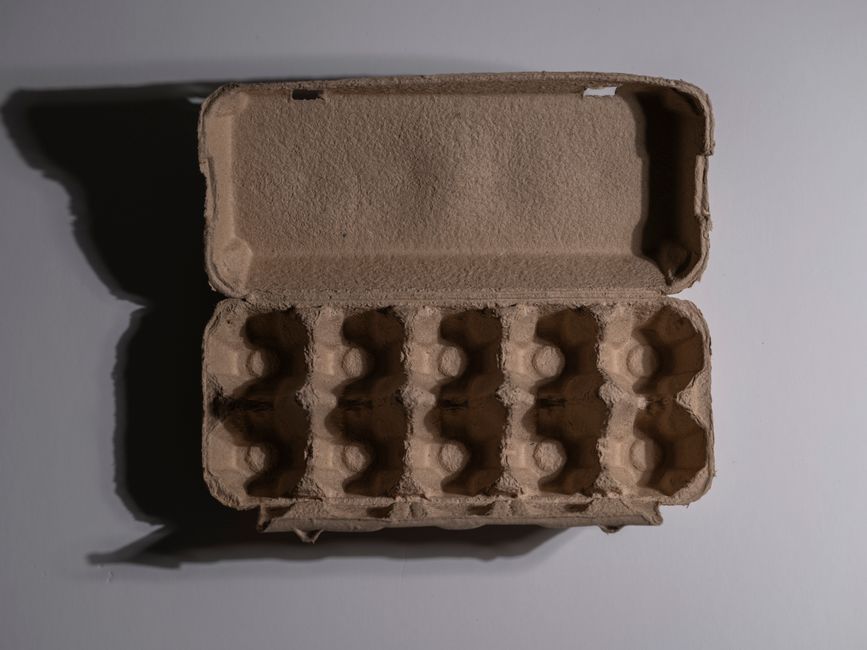
Why your compostable packaging isn't actually composting (and how to fix it)
You bought certified compostable cups, forks, and clamshells. You paid a premium. You told your customers it's eco-friendly. Then you find out — it's not breaking down. Landfills are full of intact PLA spoons. Composting facilities reject your bagasse containers. What went wrong?
I run a factory that pumps out 500 million pieces of compostable packaging a year. We ship to 40+ countries. And I can tell you: most buyers make the same three mistakes. They buy the wrong material. They don't check local infrastructure. They ignore certification nuances. Let's fix that.
Mistake #1: Assuming 'compostable' means 'biodegradable anywhere'
This is the biggest myth. A PLA fork certified under ASTM D6400 will break down in an industrial composting facility at 58°C with controlled humidity and microorganisms. But in your backyard? In a landfill? It could sit for decades. Bagasse (sugarcane fiber) is more forgiving — it breaks down in 60-90 days in home compost. But even bagasse needs moisture and microbes.
What the certifications actually mean
Here's where it gets technical. BPI certification (ASTM D6400) is for industrial composting. EN13432 is the European equivalent. Both require 90% degradation within 180 days at 58°C. Home compostable certifications like TÜV OK Compost HOME are stricter — lower temperature (20-30°C) and longer time (12 months). If you're selling to consumers who compost at home, your PLA packaging won't cut it.
At our factory, we produce three main lines: bagasse (home and industrial compostable), PLA-lined kraft (industrial only), and cornstarch blends (industrial only). We always ask buyers: where will this end up? If your city has industrial composting, PLA works. If not, stick to bagasse or kraft.
Mistake #2: Ignoring contamination in the recycling stream
Compostable packaging looks like plastic. It feels like plastic. So consumers toss it in the recycling bin. But PLA clamshells contaminate PET recycling. A 2022 study showed that 2% PLA in a PET recycling batch can degrade the entire batch's quality. Result: recyclers reject the whole load. Your 'eco-friendly' packaging becomes trash.
We've seen this firsthand. A client in Germany switched to PLA bowls to reduce plastic. But local MRFs couldn't sort them. The bowls ended up in incineration. The fix? Clear labeling, education, and sometimes choosing a material that's visually distinct — like bagasse's natural brown fiber.
Mistake #3: Not verifying local composting infrastructure
Only 5% of US households have access to industrial composting. In the EU, it's higher but still patchy. If you ship to a region without composting facilities, your 'compostable' packaging goes to landfill. And in landfills, anaerobic conditions produce methane — a potent greenhouse gas. Some compostable materials actually perform worse than plastic in landfills because they generate methane faster.
Check the map. Call local waste authorities. Ask: do you accept compostable packaging? What certification do you require? Some facilities accept only BPI-certified items. Others want specific colors (clear PLA only, no colored). We help our clients compile this data before they order.
How to choose the right material for your market
| Material | Composting type | Time to degrade (industrial) | Cost per piece (50k MOQ) | Best for |
|---|---|---|---|---|
| Bagasse (molded fiber) | Home & industrial | 60-90 days | $0.04-0.08 (9" plate) | Takeout containers, plates |
| PLA (clear) | Industrial only | 90-180 days | $0.08-0.12 (500ml cup) | Cold drinks, salad bowls |
| Cornstarch blend | Industrial only | 90-180 days | $0.10-0.15 (cutlery set) | Cutlery, straws |
| Kraft paper (PE-free) | Home compostable | 30-60 days | $0.05-0.10 (burger wrap) | Dry food, wraps |
We manufacture all four. Our most popular for US clients? Bagasse plates and clamshells — they work in home compost and industrial, no sorting headaches. For European clients, PLA cups are big because many cities have industrial composting.
Practical steps to ensure your packaging actually composts
Here's what we recommend to every B2B buyer:
- Check local composting infrastructure. Use the Composting Council's map (US) or EU Biowaste Association. If no facility exists within 50 miles, consider bagasse or kraft.
- Request a Certificate of Conformance. We provide ours with every shipment — BPI, EN13432, FDA 21 CFR 176.170 for food contact. Verify it's current.
- Test a batch in your local facility. Send 100 pieces to the nearest composter. Ask them to run a 30-day trial. We've done this for clients in Dubai and Australia.
- Label clearly. Use the BPI logo, "Industrial Compost Only" or "Home Compostable" as appropriate. Include instructions: "Please compost in municipal facility" or "Place in green bin."
- Educate your customers. A sticker on the packaging, a sign in the store, a social media post. We provide free label templates for our clients.
Real cost comparison: compostable vs. conventional
Let's talk numbers. A 9-inch bagasse plate from our factory costs $0.04-0.06 at 100k quantity. A similar plastic plate costs $0.02-0.03. A PLA cold cup (500ml) is $0.08-0.12 vs. $0.04-0.06 for PET. The premium is 50-100%. But here's the catch: if your compostable packaging actually gets composted, you can charge a premium — restaurants in California sell compostable takeout for $1 more per order. And with plastic bans spreading (EU SUPD, Canada single-use ban, 12 US states), compostable is becoming the only option.
We've seen clients save money by switching to bagasse from paper-coated foam. Bagasse is lighter, so shipping costs drop. And with our MOQ starting at 5,000 pieces, even small chains can test.
FAQ
Can I compost PLA packaging at home?
No. PLA requires 58°C for extended periods. Home compost piles rarely reach that. It will break down eventually but take years. Use bagasse or kraft for home compost.
What certifications should I look for when buying compostable packaging?
For the US: BPI (ASTM D6400 or D6868). For EU: EN13432 or TÜV OK Compost. For home compost: TÜV OK Compost HOME. Always ask for a certificate from the manufacturer — we provide ours for every batch.
Does your factory offer custom printing and mold design?
Yes. We have 6 automated pulp molding lines and can customize molds for unique shapes. MOQ for custom molds is 50,000 pieces. Lead time 30-45 days. We've done custom forks with logo embossing for a US fast-casual chain.
Free samples are available for qualified buyers. Just request via our website with your shipping address and volume. We'll send 5-10 pieces of your top choices.
Looking for eco-friendly tableware?
We supply compostable bagasse, PLA, paper and cornstarch packaging worldwide. Get a free quote today.
Get Free Quote →