Compostable Takeout Packaging: Best Materials for Greasy Foods
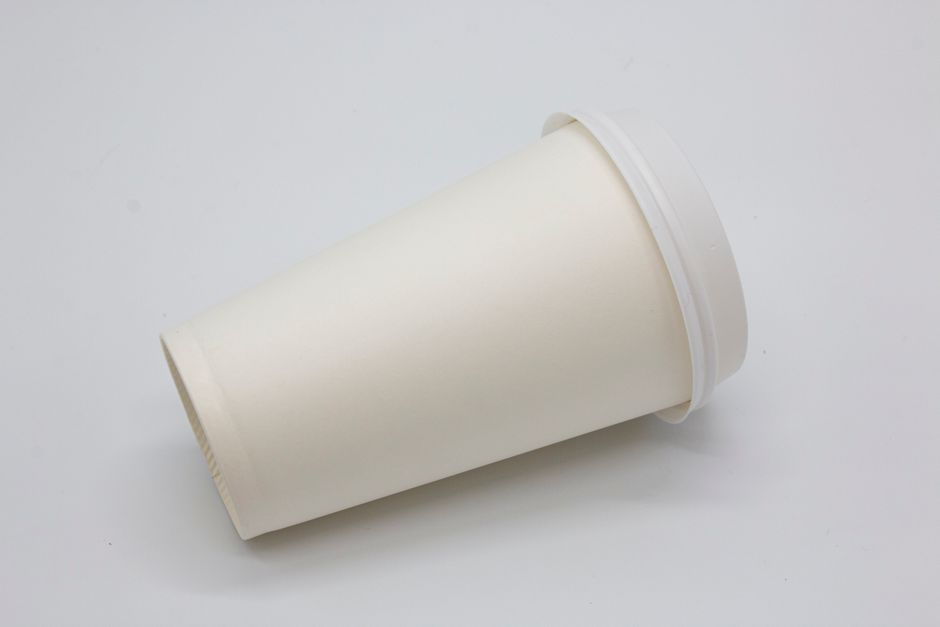
Compostable Takeout Packaging: Best Materials for Greasy Foods
Greasy foods are the nemesis of most compostable packaging. A soggy, oil-stained container isn't just ugly—it can fail structurally, leak, and contaminate the compost stream. We've been manufacturing compostable takeout packaging for over a decade, and we've seen it all: PLA lids that warp under hot fries, bagasse bowls that turn to mush with greasy soup, and kraft paper boxes that leak through every seam. The truth is, not all compostable materials are created equal when it comes to oil resistance. Let's break down what actually works.
Why Grease Resistance Matters in Compostable Packaging
When you're serving fried chicken, pizza, or curry, the packaging needs to hold up for at least 30–60 minutes without leaking or disintegrating. Standard compostable materials like PLA (polylactic acid) have poor oil barrier properties. PLA is a polyester derived from corn starch; it's great for cold salads but fails under hot, greasy conditions. On the other hand, bagasse (sugarcane fiber) naturally resists oil due to its fibrous structure, but only up to a point. We've tested bagasse plates with a 15% oil content by weight—they held for 45 minutes before showing signs of softening. Kraft paper requires a coating, typically PE (polyethylene) or a compostable alternative like PLA or wax. The challenge is finding a coating that is both compostable and grease-resistant. According to ASTM D6400, a material must disintegrate at least 90% in 180 days in a commercial compost facility. Many coated papers fail this because the coating doesn't break down.
Best Materials for Greasy Foods: A Head-to-Head Comparison
| Material | Grease Resistance (min at 200°F) | Max Oil Content (%) | Compost Certification | Cost per unit (10k MOQ) |
|---|---|---|---|---|
| Bagasse (molded fiber) | 45 min | 15% | BPI, EN13432 | $0.12–0.18 |
| PLA (coated paper) | 10 min | 5% | ASTM D6400 | $0.08–0.12 |
| Cornstarch (CPLA blend) | 20 min | 10% | EN13432 | $0.15–0.22 |
| Kraft paper + PLA coating | 30 min | 20% | BPI, OK Compost | $0.10–0.16 |
| Beeswax-coated paper (not vegan) | 60+ min | 30% | Home compost | $0.20–0.30 |
As you can see, bagasse is a solid all-rounder for greasy foods, but its performance drops with very oily dishes like fried chicken or curry. For those, a kraft paper box with a PLA coating is better—it can hold up to 20% oil content without leaking. But beware: some PLA coatings are only certified for industrial composting, not home composting. Check for the "OK Compost HOME" logo if that matters to your customers.
Bagasse: The Natural Oil Fighter
Bagasse is the fibrous residue left after sugarcane is crushed for juice. It's a waste product, so it's inherently sustainable. The fibers create a tight matrix that resists oil penetration. In our factory, we press bagasse into molds at high temperature and pressure, which adds natural water and oil resistance. However, bagasse is not waterproof. It can handle moderate grease, but soaking in oil for more than 45 minutes will soften it. We've seen this with deep-fried fish and chips served in bagasse trays—the bottom gets soggy. A solution is to use a two-piece design: a bagasse tray with a separate lid, or add a thin PLA lining. But that adds cost and complexity. For most applications, bagasse alone is sufficient if the meal is consumed within 30 minutes. For longer holds, consider alternatives.
PLA and Cornstarch: The Misunderstood Options
PLA is often touted as the go-to compostable plastic, but it's terrible for hot, greasy foods. PLA softens at 110°F (43°C), which is well below the temperature of freshly fried food. We've tested PLA clamshells with hot french fries—within 10 minutes, the lid warped and grease seeped through the seams. Cornstarch blends (CPLA) are better, with a higher heat tolerance (up to 200°F), but they still lack oil resistance. The cornstarch particles absorb oil, causing swelling and structural failure. A common misconception is that all compostable plastics are microwave-safe. They are not. PLA cannot be microwaved; CPLA can, but only for short bursts. Always check the spec sheet. For greasy foods, we recommend avoiding PLA-based containers unless they have a barrier coating.
Kraft Paper with Compostable Coatings: The Grease-Proof Champion
Kraft paper is strong and renewable, but it's porous. To make it grease-resistant, a coating is applied. Traditional PE coatings are not compostable. Instead, look for PLA or wax coatings that are certified compostable. A 100% kraft paper box with PLA coating can hold up to 20% oil content for 30+ minutes. We've supplied these for poutine and fried chicken chains—they work. The key is the coating thickness. Too thin, and oil wicks through; too thick, and it may not fully compost. A coating weight of 15–20 gsm is optimal. Also, ensure the paper is FSC-certified and the coating meets EN13432. Some suppliers claim compostability but only test the paper, not the coating. Ask for full product certification.
Common Misconceptions About Compostable Packaging and Grease
One myth is that all compostable packaging can go into home compost bins. Not true. PLA requires industrial composting at 140°F for 60 days. Bagasse can be home composted, but only if it's uncoated. Coated bagasse may not break down in a backyard pile. Another myth: “If it's compostable, it's biodegradable in the ocean.” No standard tests for marine degradation exist for these materials. Lastly, many buyers think that thicker packaging means better grease resistance. Not always. A thick bagasse plate may still fail if the fiber density is low. It's about the manufacturing process, not just thickness. In our experience, a well-pressed 3mm bagasse plate outperforms a 5mm poorly pressed one. Always request samples and test with your specific food.
Tips for Choosing Compostable Takeout Packaging for Greasy Foods
- Test with your actual food: order 50–100 units and fill them with your greasiest menu items. Check for leaks, softening, and structural failure after 30, 60, and 90 minutes.
- Check certifications: look for BPI (compostable), ASTM D6400 (industrial), EN13432 (European), and FDA 21 CFR 176.170 for food contact. Avoid products that only claim “biodegradable” without a standard.
- Consider the serving time: if food is consumed within 15 minutes, bagasse is fine. For delivery (30+ minutes), opt for coated kraft paper or CPLA.
- Mind the lid: if you use a PLA lid on a hot container, condensation can cause the lid to warp. Use a bagasse or paper lid instead.
- Don't forget the cutlery: PLA forks can snap in hot, greasy food. Use wooden or CPLA cutlery for heavy dishes.
FAQs About Compostable Packaging for Greasy Foods
Can I microwave compostable containers with greasy food?
Only if the container is specifically labeled microwave-safe. Bagasse and CPLA can typically handle 2–3 minutes at medium power. PLA cannot be microwaved. Always check the manufacturer's guidelines. For greasy foods, microwaving can cause oil to heat beyond the material's tolerance, leading to melting or leaching.
How do I dispose of compostable packaging after use?
Industrial compostable packaging (with BPI or EN13432 logos) should go to a commercial composting facility. Home compostable items (OK Compost HOME) can go in backyard bins. However, greasy food residue can attract pests. Rinse containers before composting if possible. Never put compostable plastics in recycling streams—they contaminate the process.
Is bagasse or kraft paper better for fried chicken?
For fried chicken, we recommend kraft paper boxes with a PLA coating. They hold up better against the high oil content (around 15–20%) and keep the chicken crispy. Bagasse trays can work but may become soggy after 20 minutes. Test both with your specific recipe. Some clients prefer bagasse for its natural look, but they accept a shorter hold time.
Conclusion
Choosing the right compostable packaging for greasy foods isn't one-size-fits-all. Bagasse is a great eco-friendly option for moderate grease and quick service. For heavy, oily dishes, coated kraft paper or CPLA blends are safer bets. Always verify certifications and run real-world tests. Your customers will appreciate packaging that doesn't leak or fall apart—and the planet will thank you for choosing compostable materials that actually break down. If you have specific needs, reach out to your supplier with your menu and expected hold times. We've helped dozens of restaurants transition to compostable packaging without compromising performance.
Looking for eco-friendly tableware?
We supply compostable bagasse, PLA, paper and cornstarch packaging worldwide. Get a free quote today.
Get Free Quote →