Compostable vs Recyclable Food Trays: End-of-Life and Cost
Compostable vs Recyclable Food Trays: Which Actually Wins?
If you're sourcing food trays for a QSR chain or meal kit service, you've likely seen both compostable and recyclable options pitched as the sustainable choice. But here's the thing: the most eco-friendly material on paper can become landfill waste if your local facility can't process it. We've been manufacturing both types for over a decade, and the decision isn't as simple as picking the greener label. Let's break down the real end-of-life scenarios and total cost of ownership.
What Are Compostable Food Trays Made Of?
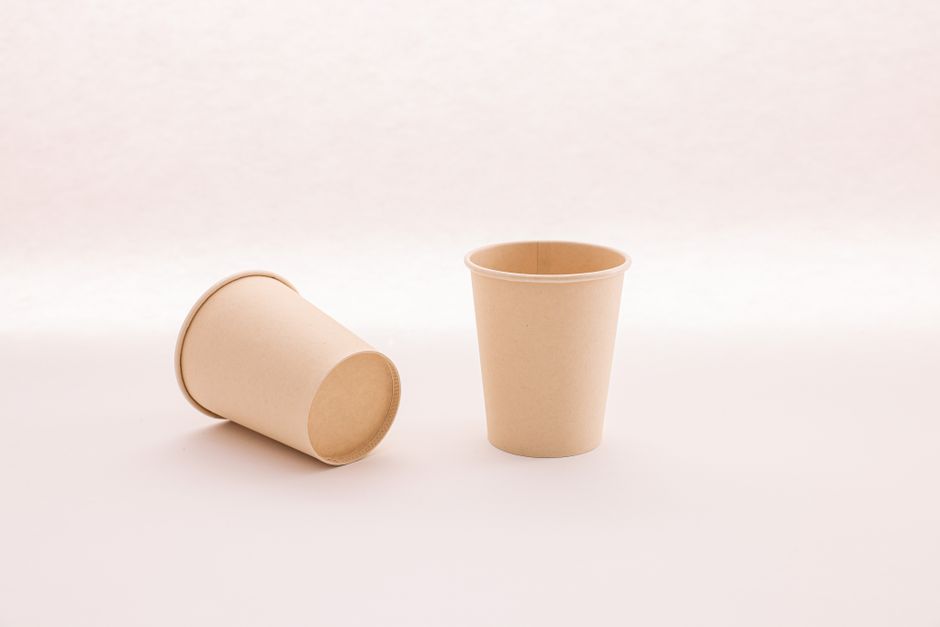
Compostable trays are typically molded from bagasse (sugarcane fiber), PLA (polylactic acid from corn), or wheat straw. These materials must meet ASTM D6400 or EN 13432 standards to be labeled compostable. That means they break down into CO2, water, and biomass within 180 days in a commercial composting facility. But here's the catch: your backyard compost pile won't cut it. PLA requires sustained temperatures above 55°C with specific microbes. Bagasse fares slightly better but still needs moisture and heat. We've tested our bagasse trays in home compost — after 6 months, they were still recognizable.
Recyclable Trays: The Familiar Contender
Recyclable trays are usually PET (polyethylene terephthalate) or polypropylene (PP). These are widely accepted in curbside recycling programs across North America and Europe. PET trays can be recycled back into food-grade packaging through a closed-loop process, while PP often becomes automotive parts or textiles. The recycling rate for PET trays in the US is around 30% — not great, but better than the 5% composting rate for PLA. One major advantage: recycling infrastructure is already in place. No need for special collection services.
End-of-Life Reality Check
Let's look at what actually happens when these trays hit the waste stream.
Compostable Trays: The Ideal vs Reality
In a perfect world, compostable trays go to an industrial composting facility. But only about 200 such facilities exist in the US. Most end up in landfills, where they decompose slowly — if at all. Landfills are designed to be anaerobic, and without oxygen, even bagasse can persist for years. Some studies show that PLA doesn't degrade in landfills for over 100 years. So your 'compostable' tray is often just another piece of trash.
Recyclable Trays: Contamination Is the Enemy
Recyclable trays face their own problems. Food residue can contaminate the recycling stream, causing entire batches to be landfilled. A 2022 study found that 25% of PET trays in UK recycling bins had enough food waste to be rejected. However, washing is easier than sorting compostables from regular trash. Many facilities now use optical sorters to remove contaminated items. The key is clear labeling — we print 'Rinse Before Recycling' on our PP trays, which improves acceptance rates.
Cost Comparison: Upfront vs Hidden Fees
| Metric | Compostable (Bagasse/PLA) | Recyclable (PET/PP) |
|---|---|---|
| Unit price (10k MOQ) | $0.12–0.18 | $0.08–0.14 |
| Unit price (100k MOQ) | $0.09–0.14 | $0.06–0.10 |
| Tooling cost | $3,000–8,000 | $5,000–15,000 |
| Waste disposal fee | $0.02–0.05 (composting) | $0.01–0.03 (recycling) |
| Certification cost | $2,000–5,000 (BPI, OK Compost) | $1,000–3,000 (FDA, recyclable label) |
On the surface, recyclable trays are cheaper per unit. But the hidden costs add up. Composting fees are typically higher than recycling, and if your local composter doesn't accept PLA, you may need to pay for separate collection. One client switched to bagasse trays and saw their waste bill jump 40% because the hauler charged extra for 'special handling'.
Pros and Cons at a Glance
Compostable Trays
- Pros: Made from renewable resources; no petroleum; can reduce carbon footprint if composted properly; strong brand story for eco-conscious customers.
- Cons: Limited composting infrastructure; high contamination risk in recycling stream; cost premium; shorter shelf life (PLA can become brittle in 6 months).
Recyclable Trays
- Pros: Established recycling infrastructure; lower cost; better durability; can be made from recycled content (rPET).
- Cons: Made from fossil fuels; energy-intensive production; not biodegradable if leaked to environment; requires clean stream.
Common Misconception: Compostable Means 'Degradable Anywhere'
We hear this all the time. A customer asks for compostable trays because they think they'll break down in a landfill or ocean. That's false. In fact, a 2020 study showed that PLA in marine environments took over a year to show any signs of degradation. Meanwhile, PET bottles photodegrade into microplastics within months. The term 'compostable' is strictly defined for industrial conditions. If you're not sending trays to a composter, you're better off with recyclable — at least the material can be recovered.
How to Choose: A Decision Framework
- Check your local waste management: Do they accept compostables? If not, recyclable is the default.
- Assess your customers' behavior: Will they rinse trays? If not, compostable might be better despite infrastructure gaps.
- Calculate total cost: Include disposal fees, certification, and potential brand value. A 2-cent premium per tray may be worth it if you can market it.
- Consider hybrid solutions: Some trays have a compostable coating on recyclable paperboard — but these are often non-recyclable and non-compostable. Avoid them.
FAQ: Compostable vs Recyclable Food Trays
Can compostable trays be recycled?
No. PLA and bagasse contaminate plastic recycling streams. They must go to composting. If you're unsure, throw them in the trash — better than ruining a batch of PET.
Which type has lower carbon footprint?
It depends. Compostable made from bagasse can have 50% lower carbon emissions than virgin PET, but if it ends up in landfill, the benefit disappears. Recycled PET (rPET) can be even lower — but only if the recycling loop is efficient.
Do compostable trays perform as well as plastic?
For dry foods, yes. Bagasse trays are sturdy and microwave-safe. For wet or oily foods, PLA can soften. We recommend a PLA coating on bagasse for grease resistance, but that adds cost and may affect compostability certification.
Final Verdict
There's no universal winner. For businesses in cities with industrial composting (like San Francisco or Seattle), compostable trays can be a genuine eco-choice. For everyone else, recyclable trays — especially those made with rPET — are the safer bet. We manufacture both, and we're transparent about the trade-offs. The greenest tray is the one that actually gets processed correctly. Don't let marketing hype drive your decision. Look at your local infrastructure, your budget, and your customer's habits. That's where the real sustainability lives.
Looking for eco-friendly tableware?
We supply compostable bagasse, PLA, paper and cornstarch packaging worldwide. Get a free quote today.
Get Free Quote →