Compostable vs Recyclable Food Packaging: What B2B Buyers Need to Know
1. The Core Difference: What Happens After Use
Recyclable packaging goes back into the material stream. Compostable packaging goes back into the earth. That’s the simple version. But for B2B buyers, the real question is: which one actually works in your operation?
Let’s start with recyclable. A standard PET clamshell can be washed, shredded, and remelted into new containers. In the US, about 29% of PET bottles get recycled (EPA 2018). The rest? Landfill. So recyclable doesn’t guarantee recycling.
Compostable packaging, on the other hand, is designed to break down under specific conditions. Our bagasse plates (sugarcane fiber) pass ASTM D6400 and EN13432 certification. That means 90% degradation within 90 days in an industrial compost facility. But in a backyard bin? Most won’t fully break down. That’s a key nuance many buyers miss.
2. Cost Reality: Compostable Isn’t Always More Expensive
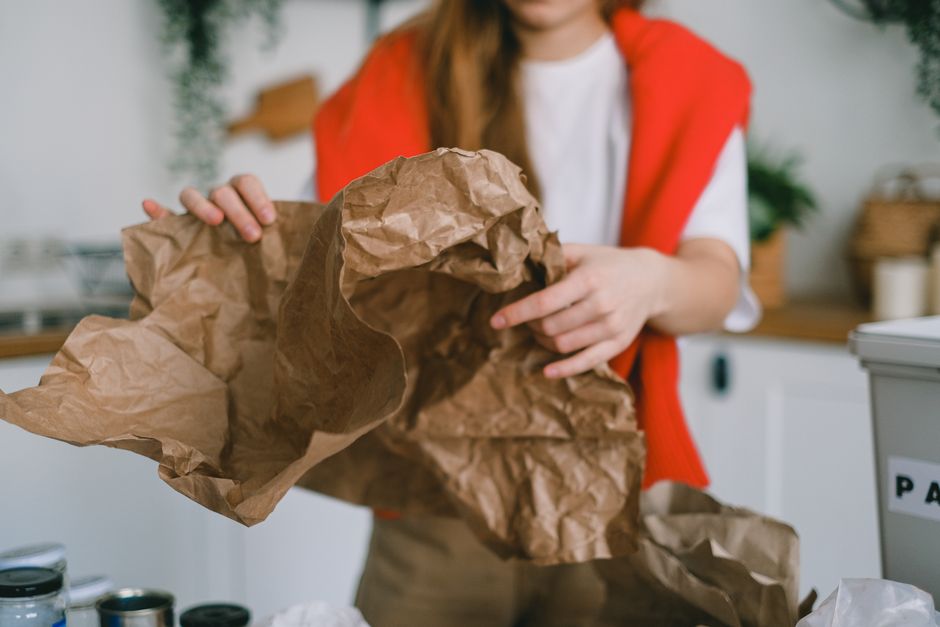
There’s a persistent myth that eco-friendly packaging always costs more. Let’s bust that with numbers. A standard 9-inch kraft paper plate runs about $0.04/pc at 100k MOQ. A comparable bagasse plate is $0.05-0.06/pc. That’s a 25-50% premium, but it’s shrinking as production scales.
Now compare PLA-lined cups. A 12oz PLA cold cup costs $0.09-0.12/pc at 50k MOQ. A standard PE-lined paper cup? $0.06-0.08/pc. The gap narrows when you factor in brand value and regulatory compliance. In California, SB 54 is pushing for all packaging to be compostable or recyclable by 2032. The cost of non-compliance is far higher than the material premium.
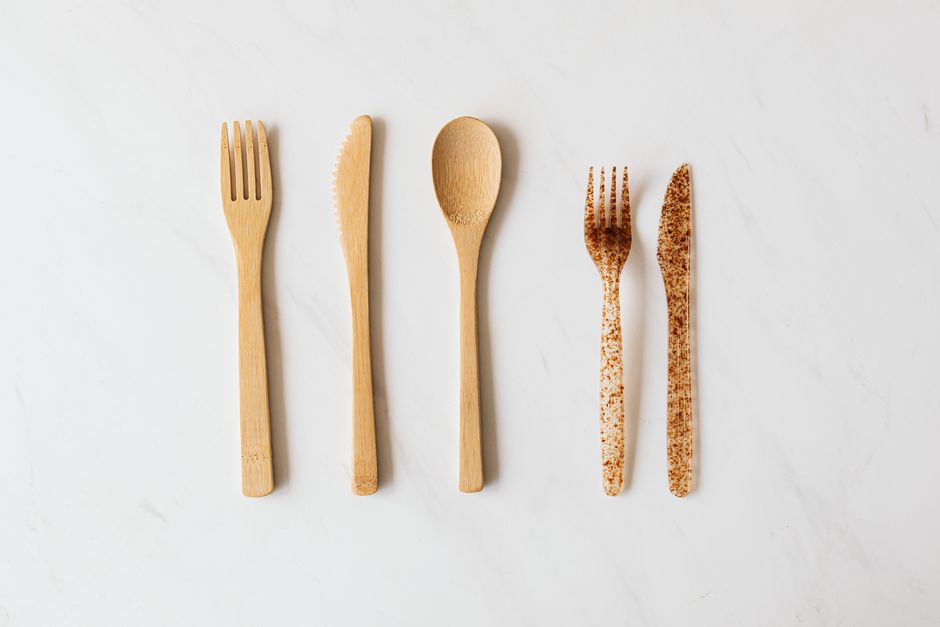
One more data point: Our factory’s cornstarch cutlery (fork, knife, spoon set) costs $0.03-0.04/pc at 100k MOQ. That’s only 1-2 cents more than polypropylene cutlery. For many buyers, that’s a negligible difference.
3. Performance: Where Each Material Excels
Not all applications are equal. For hot food, bagasse is a star. It handles up to 200°F without wilting. PLA, however, deforms at just 110°F. So for soup containers or hot deli items, bagasse or kraft paper with a PLA lining is your best bet.
For cold items like salads or smoothies, PLA cups are excellent. They’re clear, rigid, and look like PET. But they’re brittle — drop one and it might crack. Kraft paper is more forgiving but can get soggy with high-moisture foods. We recommend a PLA coating for wet applications.
Here’s a quick performance breakdown:
- Bagasse: Heat resistant to 200°F, microwavable, freezer safe. Best for entrees, hot soups.
- PLA: Clear, good for cold drinks, brittle. Max temp 110°F.
- Cornstarch: Used for cutlery and straws. Stiffer than PLA, but can feel waxy.
- Kraft paper: Good for dry goods, wraps, and bags. Needs lining for wet foods.
4. Certification Maze: What to Look For
B2B buyers often get lost in certification alphabet soup. Let’s simplify. For compostable claims, the key US standard is ASTM D6400 (for plastics) and ASTM D6868 (for paper). In Europe, it’s EN13432. Both require 90% degradation within 90 days in industrial compost. Don’t accept vague claims — ask for test reports.
For recyclability, look for the How2Recycle label. It tells consumers whether the item is widely recyclable (e.g., PET #1) or check locally (e.g., PLA is rarely recycled). Also, FDA 21 CFR 176.170 applies to paper and paperboard in contact with food — make sure your supplier complies.
One contrarian point: Some buyers think “biodegradable” is the same as “compostable.” It’s not. Biodegradable has no time frame. A bag can claim biodegradable but take 100 years. Compostable is a specific standard. Avoid biodegradable claims unless they’re backed by a standard.
5. Comparing Compostable vs Recyclable: A Spec Sheet
| Property | Compostable (Bagasse) | Recyclable (PET) |
|---|---|---|
| Material cost (9in plate, 100k) | $0.05-0.06/pc | $0.04-0.05/pc (rPET) |
| Heat tolerance | 200°F | 140°F |
| Microwavable | Yes | No (unless labeled) |
| Degradation time (industrial compost) | 90 days (ASTM D6400) | Does not degrade |
| Recycling rate (US) | N/A (not recyclable) | 29% for PET |
| Carbon footprint (cradle-to-gate) | 0.8 kg CO2e/kg | 1.2 kg CO2e/kg |
This table shows that compostable is better for heat and microwaving, and has a lower carbon footprint. But recyclable keeps material in the loop — if it actually gets recycled.
6. Common Misconceptions Debunked
Myth: Compostable packaging can go in your backyard compost. Truth: Most PLA and bagasse require industrial compost conditions (140°F, high moisture). In a backyard, they take much longer and may not fully break down. Check with your local facility.
Myth: All recyclable packaging gets recycled. Truth: Only about 9% of all plastic ever produced has been recycled (UNEP). The rest is in landfills or oceans. Recycling is only effective if the infrastructure exists.
Myth: Compostable packaging is always better for the environment. Truth: If compostable packaging ends up in a landfill, it may produce methane (a potent greenhouse gas) as it degrades. Recycling, when done right, saves energy. The best choice depends on your local waste management.
7. Making the Right Choice for Your Business
Start by auditing your food service operations. Do you serve hot or cold food? Do you have access to industrial composting? What are your local regulations? For example, in Seattle, all food packaging must be compostable. In New York, recyclable is the norm.
We often recommend a hybrid approach. Use bagasse for hot entrees, PLA for cold drinks, and kraft paper for dry items like sandwiches. This balances cost, performance, and environmental impact. And always buy certified materials — it protects you from greenwashing claims.
Finally, talk to your waste hauler. They can tell you what facilities accept. If you’re in a region with composting infrastructure, compostable might be the clear winner. If not, focus on recyclable with high recycled content.
Frequently Asked Questions
Is compostable packaging more expensive than recyclable?
Typically yes, but the gap is narrowing. Bagasse plates cost about 25% more than paper, but PLA cups can be 50% more than PET. However, bulk orders and long-term contracts can reduce costs. Also consider the cost of non-compliance with future regulations.
Can I put compostable packaging in my home compost?
Most compostable packaging requires industrial conditions. Home compost piles don’t reach 140°F, so degradation is slow. Some bagasse may break down in a hot home pile, but PLA likely won’t. Look for “home compostable” certification (e.g., TÜV OK Compost Home) if that’s your goal.
Does compostable packaging contain harmful chemicals?
Certified compostable materials (ASTM D6400) are tested for heavy metals and ecotoxicity. Our bagasse and PLA products are free from PFAS, BPA, and phthalates. Always request a certificate of compliance. Some non-certified bioplastics may contain additives — stick with certified sources.
Looking for eco-friendly tableware?
We supply compostable bagasse, PLA, paper and cornstarch packaging worldwide. Get a free quote today.
Get Free Quote →