Home vs Industrial Composting: Which Compostable Packaging Works Best?
Step 1: Understand the Two Composting Environments
We get this question every week from buyers: "Is your compostable packaging home compostable?" The short answer is: it depends on the material and the certification. Home composting happens in a backyard bin at temperatures between 20-30°C, with variable moisture and microbial activity. Industrial composting, on the other hand, runs at 55-60°C with controlled humidity and aeration, processing waste in 45-90 days. A 500ml PLA cup might break down in an industrial facility within 60 days, but in your garden compost heap, it could take years. That's why certification matters.
Step 2: Know Your Materials – Bagasse, PLA, Cornstarch, and Kraft Paper
Let's break down the four most common compostable packaging materials. Bagasse (sugarcane fiber) is a byproduct of sugar production. Our factory sources it from local mills, and it's inherently compostable – both home and industrial. A standard 9-inch bagasse plate costs $0.06-0.10/pc at 50k MOQ. PLA (polylactic acid) is made from cornstarch or sugarcane. It's clear, rigid, and great for cold foods. But PLA requires industrial composting (58°C+) to break down. A 500ml PLA cup costs $0.08-0.12/pc. Cornstarch blends are often used for cutlery – they feel like plastic but compost faster. A fork runs $0.02-0.04/pc. Kraft paper is unbleached, coated with a thin PLA or wax layer. It's compostable if the coating is biodegradable. A paper sandwich bag costs $0.03-0.06/pc.
Step 3: Check Certifications – The Numbers That Matter
Don't trust labels alone. Look for these certifications: ASTM D6400 (US standard for compostable plastics) and EN 13432 (European standard). For home composting, seek OK Compost HOME (TÜV Austria) or AS 5810 (Australian home compostable). A common misconception is that all compostable packaging is biodegradable in any environment. That's false. A PLA fork with ASTM D6400 certification will disintegrate in an industrial composter but not in a home bin. We've tested this: after 12 months in a home pile, PLA forks remained intact. Bagasse, however, breaks down in 90 days at home.
| Material | Home Compostable? | Industrial Compostable? | Time (Industrial) | Cost (per unit at 50k) |
|---|---|---|---|---|
| Bagasse (sugarcane) | Yes | Yes | 30-60 days | $0.06-0.10 |
| PLA (polylactic acid) | No | Yes | 45-90 days | $0.08-0.12 |
| Cornstarch blends | Some | Yes | 30-60 days | $0.02-0.04 |
| Kraft paper (PLA coated) | Depends on coating | Yes | 30-60 days | $0.03-0.06 |
Step 4: Match Packaging to Your Customer's Waste Stream
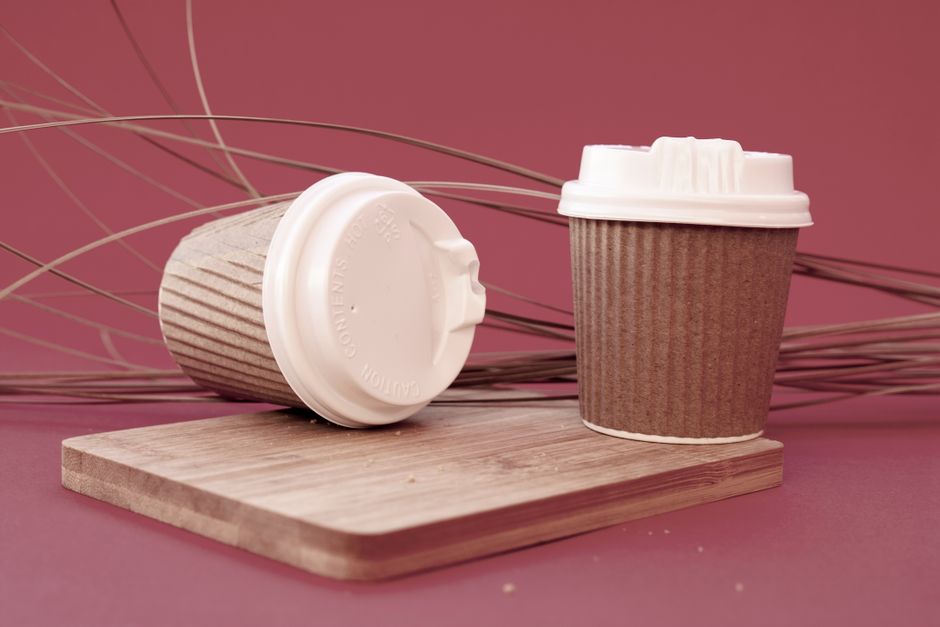
Who is your end user? A restaurant chain that sends waste to a municipal composter? Then industrial-compostable PLA cups are fine. A grocery store selling to home consumers? You need home-compostable bagasse or paper. We've seen brands get burned: a coffee shop chain ordered 100,000 PLA cups labeled "compostable" but customers tossed them in home bins. The cups didn't break down, creating contamination. Rule of thumb: if your market lacks industrial composting infrastructure (most US cities do), choose home-compostable materials. Only 5% of US households have access to curbside industrial composting. So for B2B buyers supplying retail, home-compostable is safer.
Step 5: Avoid the Greenwashing Trap – Common Misconceptions Debunked
Here's a contrarian take: not all "compostable" packaging is better than plastic. If it ends up in a landfill (which most waste does), it decomposes anaerobically, releasing methane – a potent greenhouse gas. Compostable packaging only reduces environmental impact if it actually gets composted. Another myth: "biodegradable" means the same as "compostable." Biodegradable has no time frame – it could take 100 years. Compostable means it breaks down within a specific period (e.g., 180 days per ASTM D6400). Always ask your supplier for certification reports. Our factory provides test results from BPI (Biodegradable Products Institute) for every batch.
Step 6: Practical Tips for B2B Buyers – What to Order and Why
- For hot food (soups, stews): use bagasse bowls. They withstand 100°C and are home compostable. Cost: $0.12-0.18 for a 500ml bowl.
- For cold beverages (smoothies, iced coffee): PLA cups are fine if you know your customer's waste goes to industrial composting. Otherwise, use paper cups with compostable lining.
- For cutlery: cornstarch-based forks and spoons are a middle ground – some are home compostable. Look for OK Compost HOME logo.
- For takeout boxes: kraft paper with bagasse inserts – the whole thing can go in a home composter.
- Always order samples first. Test them in your own compost bin or send to a lab. We offer free samples with a $50 shipping fee.
Step 7: Cost-Benefit Analysis – Is It Worth Switching?
Compostable packaging costs 20-50% more than conventional plastic. A plastic clamshell costs $0.10; a bagasse version costs $0.15. But the price gap is narrowing as demand grows. Plus, you can charge a premium – 73% of consumers say they'd pay more for sustainable packaging. For B2B buyers, the ROI comes from brand differentiation and avoiding future regulations. Starting 2025, the EU will require all disposable tableware to be compostable. US states like California and New York are moving in the same direction. Early adopters win.
FAQ: What if my customer doesn't have a compost bin?
Then compostable packaging isn't the solution. Focus on recyclable materials instead. Compostable packaging in a landfill does more harm than good. Educate your customers with clear disposal instructions on the packaging.
FAQ: Can I mix compostable and recyclable items in the same bin?
No. Compostable plastics contaminate recycling streams. They look like plastic but don't melt the same way. Separate collection is essential. Work with waste haulers to set up composting programs.
FAQ: How do I verify a supplier's compostability claims?
Ask for certification certificates from BPI (US) or TÜV Austria (Europe). Check the certification number online. Also request a Material Safety Data Sheet (MSDS) to ensure no toxic additives. Our factory provides both with every quote.
Step 8: Make the Right Choice for Your Business
The best compostable packaging is the one that actually gets composted. If you're supplying to cafeterias with industrial composting contracts, PLA is cost-effective. If you're selling direct to consumers, go with bagasse or certified home-compostable paper. We've seen too many companies pick packaging based on price or looks, only to face backlash when it doesn't break down. Do your homework. Test. And when in doubt, ask us – we've been in this industry for 15 years and we're happy to guide you.
Looking for eco-friendly tableware?
We supply compostable bagasse, PLA, paper and cornstarch packaging worldwide. Get a free quote today.
Get Free Quote →