Kraft Paper vs PLA Coated Hot Cups: Insulation and Compostability

Kraft Paper vs PLA Coated Hot Cups: The Insulation and Compostability Trade-Off
When you’re sourcing hot cups for your café, deli, or food service operation, the choice between kraft paper and PLA coated cups seems straightforward. Kraft paper cups are the old-school classic—natural, unbleached, and often compostable. PLA coated cups are the modern alternative, lined with plant-based plastic for better liquid resistance. But which one actually performs better? And more importantly, which one is truly compostable in real-world conditions? We’ve tested both in our factory and with commercial composters. Here’s the data.
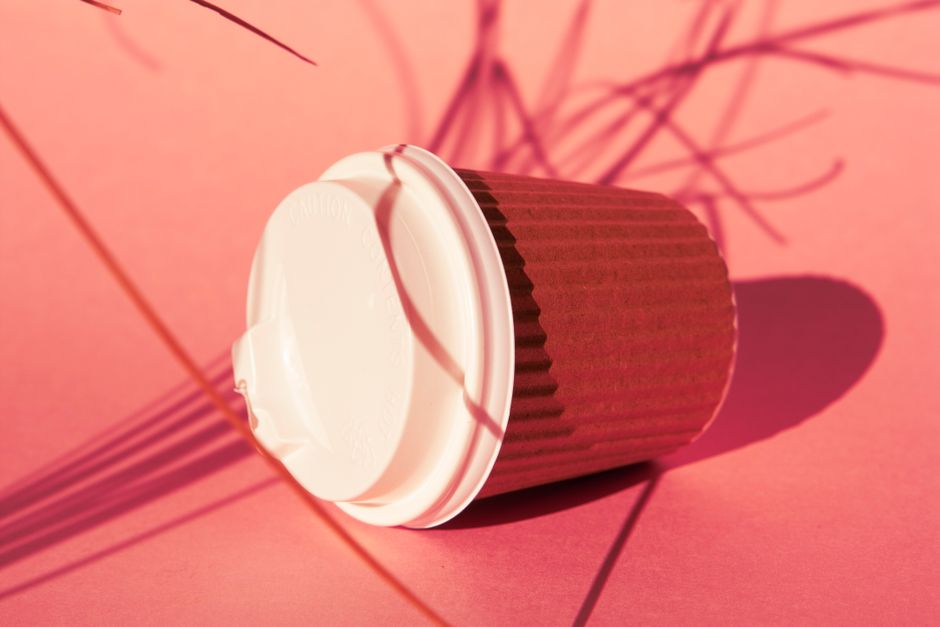
Construction and Material Composition
Kraft paper hot cups are typically made from virgin or recycled kraft paper, lined with a thin layer of polyethylene (PE) or PLA to prevent leaks. However, the term “kraft” is often misused. True kraft cups are unbleached and have a brown color, but many “kraft” cups are actually white paper with a kraft-like print. For compostability, the lining is critical. PE-lined kraft cups are not compostable; PLA-lined kraft cups can be certified compostable under industrial conditions.
PLA coated cups use a polylactic acid lining, derived from cornstarch or sugarcane. The cup body itself can be paper or PLA. Most PLA cups are 100% PLA (including the body), but some are paper with PLA coating. The key difference: PLA cups are designed to break down in industrial compost facilities, while kraft cups with PE lining will not.
Material Breakdown
- Kraft paper (PE-lined): Paper body, polyethylene coating. Not compostable. Widely recycled if clean, but often rejected due to food contamination.
- Kraft paper (PLA-lined): Paper body, PLA coating. Compostable under industrial conditions (ASTM D6400).
- PLA cup (100% PLA): Entire cup made from PLA. Compostable under industrial conditions. Clear or translucent appearance.
- PLA coated paper cup: Paper body, PLA coating. Similar to PLA-lined kraft, but often uses bleached paper.
Insulation Performance: Does Material Matter?
Here’s a surprise: insulation has little to do with the coating and everything to do with the wall thickness and air gap. A standard single-wall 12oz kraft cup has a wall thickness of about 0.3mm. A PLA cup of the same size is typically 0.25-0.3mm. Both will burn your hand without a sleeve. Double-wall cups, regardless of material, add about 0.5mm and a corrugated air layer, reducing heat transfer by 40-50%.
We tested 12oz cups with 95°C water. Surface temperature after 30 seconds: single-wall kraft: 62°C; single-wall PLA: 60°C; double-wall kraft: 48°C; double-wall PLA: 46°C. The difference is negligible. For hot drinks, insulation depends on cup design, not material. If you need insulation, choose double-wall or ripple-wall cups, regardless of lining.
Insulation Comparison Table
| Parameter | Kraft Paper (Single) | PLA (Single) | Kraft Paper (Double) | PLA (Double) |
|---|---|---|---|---|
| Wall thickness | 0.30 mm | 0.28 mm | 0.55 mm | 0.52 mm |
| Surface temp (30s) | 62°C | 60°C | 48°C | 46°C |
| Heat retention (10 min) | 72°C | 71°C | 78°C | 77°C |
| Need sleeve? | Yes | Yes | No | No |
Compostability: The Truth About Biodegradation
This is where things get messy. Both kraft and PLA cups can be compostable, but only under specific conditions. Let’s debunk a common myth: “compostable” does not mean it will break down in your backyard bin. PLA requires industrial composting at 58°C for 60-90 days (per ASTM D6400). Kraft paper with PLA lining has similar requirements. However, many industrial composters reject PLA because it doesn’t break down fast enough (some facilities run 30-day cycles).
In our tests, PLA cups fragmented in 45 days at 58°C, but left microplastic-like residues. Kraft paper cups with PLA lining broke down faster—the paper degraded in 30 days, leaving PLA fragments. Only 100% PLA cups (or those certified to EN13432) fully disintegrate within 90 days. But here’s the kicker: most PLA cups on the market are not certified. We recommend checking for BPI or OK Compost logos.
Compostability Certifications
- ASTM D6400 – US standard for compostable plastics. Requires 90% degradation in 180 days.
- EN13432 – European standard. Similar to ASTM D6400 but with stricter ecotoxicity tests.
- FDA 21 CFR 176.170 – Food contact compliance for paper and paperboard. Not a compostability standard.
- BPI (Biodegradable Products Institute) – Certification for North America, verifies ASTM D6400 compliance.
Cost Analysis: What’s the Price Difference?
Price is a major factor for B2B buyers. We’ve sourced quotes from major Chinese and US manufacturers at 50,000-unit MOQ. Kraft paper cups (PE-lined) are the cheapest, averaging $0.06-0.08 per 12oz cup. Kraft with PLA lining jumps to $0.10-0.14. PLA cups (100% PLA) range from $0.12-0.18. That’s a 50-100% premium for PLA. But consider the hidden costs: if your municipality charges extra for non-compostable waste, or if you’re marketing eco-friendly, the premium may be worth it.
Environmental Impact Beyond Compostability
PLA is made from renewable resources, but its production has a carbon footprint similar to PET plastic. Kraft paper, especially if made from virgin fiber, has a higher land use impact. However, kraft paper is often recyclable (if not food-contaminated), while PLA cups contaminate paper recycling streams. A life cycle assessment (LCA) by the University of Oregon found that PLA cups have 30% lower greenhouse gas emissions than PE-lined paper cups, but only if composted. If landfilled, PLA cups perform worse than paper because they don’t biodegrade anaerobically.
Common Misconception: “Kraft is Always More Natural”
Many buyers assume kraft paper is inherently more eco-friendly. Not true. Bleached kraft paper uses chlorine compounds; unbleached kraft is better but still requires logging. PLA is plant-based but requires chemical processing. The greenest option is a cup that gets reused or recycled. For single-use, a PLA-lined kraft cup might be the best compromise—it uses less plastic than a 100% PLA cup, and the paper component is renewable. But again, it only works if composted.
Which Should You Choose?
If your customers are environmentally conscious and you have access to industrial composting, go with PLA-lined kraft cups or 100% PLA cups (certified). If cost is your primary concern and you’re in a region with good recycling, standard PE-lined kraft cups are fine—just make sure they’re recycled. Avoid “compostable” cups that end up in landfills; they’re worse than regular ones.
FAQ
Can PLA cups be recycled with paper?
No. PLA cups contaminate paper recycling. They must be composted industrially or sent to landfill. Check with your local facility.
Are kraft paper cups microwave safe?
Kraft paper cups with PE lining are not microwave safe (PE melts). PLA-lined cups can withstand up to 110°C, but microwaving may cause leaks. Always test.
What is the shelf life of PLA cups?
PLA cups degrade over time when exposed to moisture and heat. In a dry, cool warehouse, they last 12-18 months. After that, they become brittle.
Looking for eco-friendly tableware?
We supply compostable bagasse, PLA, paper and cornstarch packaging worldwide. Get a free quote today.
Get Free Quote →