California SB 1383 Compliance: Packaging Requirements for Food Vendors
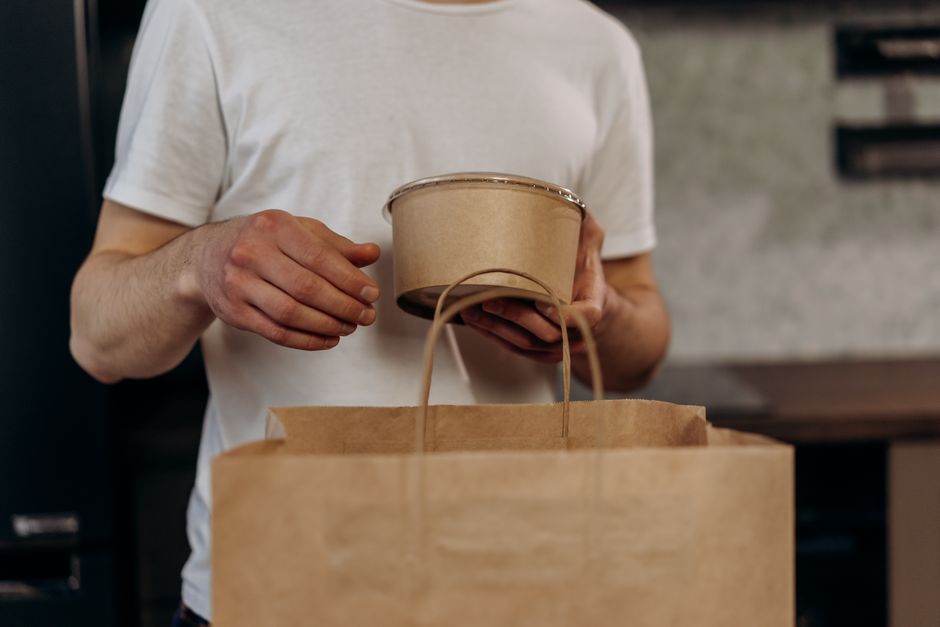
California SB 1383 Compliance: What Food Vendors Must Know About Packaging
If you sell food in California, SB 1383 is already affecting your packaging choices. This law, which took full effect in 2022, requires that all organic waste—including food-soiled paper and compostable packaging—be diverted from landfills. For food vendors, that means your takeout containers, cups, and utensils must meet strict compostability standards. We’ve been helping clients navigate this since 2019, and the biggest mistake we see is assuming any “compostable” label works. It doesn’t. Let’s break down exactly what SB 1383 demands and how to source compliant packaging without overpaying.
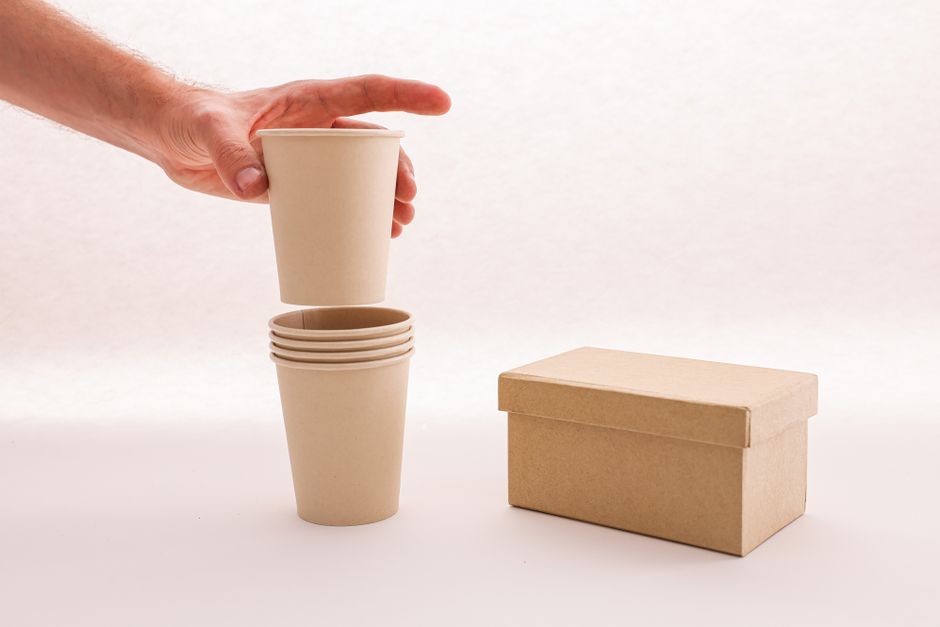
What Does SB 1383 Actually Require for Packaging?
SB 1383 targets methane reduction by mandating that 75% of organic waste be diverted from landfills by 2025. For food vendors, this means all disposable food service ware provided to customers must be either compostable or recyclable. But there’s a catch: “compostable” in California means certified to ASTM D6400 (for plastics) or ASTM D6868 (for coated paper). The law also requires that compostable items be clearly labeled with a certification logo and the word “compostable.” No vague claims like “biodegradable” or “eco-friendly” allowed.
Who Is Affected?
Restaurants, grocery stores, cafeterias, food trucks, caterers—any business that serves prepared food. Even temporary events like farmers’ markets must comply. If you use plastic clamshells, foam cups, or plastic-coated paper plates, you’re likely out of compliance unless they meet the standards.
Common Non-Compliant Items We See
- PLA cups without BPI certification (many overseas suppliers skip this)
- Paper plates with a thin plastic lining (needs ASTM D6868 certification)
- “Compostable” forks that snap in hot food (real issue with cheap PLA)
- Kraft paper boxes with plastic windows (not compostable)
Certification Standards You Can’t Ignore
SB 1383 explicitly references ASTM D6400 and ASTM D6868. For compostable plastics like PLA, the product must disintegrate in an industrial compost facility within 90 days and leave no toxic residue. For paper products, the coating must be compostable. We recommend looking for BPI (Biodegradable Products Institute) or CMA (Compost Manufacturing Alliance) certifications. These are the most recognized in California. A product without one of these logos is a compliance risk.
One contrarian point: many clients ask about home compostable packaging. SB 1383 does not require home compostability—industrial compostability is the standard. Home compostable certifications (like TÜV OK Compost HOME) are not sufficient for commercial compliance unless your local hauler accepts them. Stick with industrial-certified products.
Packaging Materials That Work Under SB 1383
Based on our factory’s production and client feedback, here are the materials that consistently pass compliance audits:
Bagasse (Sugarcane Fiber)
Bagasse is our top recommendation for hot food. It’s made from sugarcane pulp, naturally grease-resistant, and microwave-safe. A 9-inch bagasse plate costs around $0.07–$0.10/pc at 50k MOQ. It composts in 30–60 days in industrial facilities. We supply bagasse clamshells, plates, and bowls to several California school districts.
PLA (Polylactic Acid)
PLA is corn-based plastic. It works well for cold items like salads or drinks. A 500ml PLA cup costs $0.08–$0.12/pc at 50k MOQ. But PLA fails for hot liquids above 110°F—it deforms. Our advice: use PLA only for cold service, or invest in CPLA (crystallized PLA) for hot lids. CPLA handles up to 200°F but costs 20% more.
Kraft Paper with Compostable Lining
For dry items like fries or pastries, unlined kraft paper is fine. For greasy or wet foods, you need a compostable lining—usually PLA or a water-based coating. Ensure the lining meets ASTM D6868. A standard kraft sandwich wrap costs $0.03–$0.05/pc.
Cornstarch Cutlery
Cornstarch-based forks and spoons are sturdy for most foods. They’re more rigid than PLA and can handle hot dishes. Price: $0.04–$0.06/pc. Avoid thin cornstarch knives—they snap. We recommend a thicker gauge (2.5mm).
Cost Comparison: Compliant vs. Non-Compliant Packaging
| Item | Compliant (Certified) | Non-Compliant (Standard Plastic) | Price Difference |
|---|---|---|---|
| 9" Clamshell | Bagasse: $0.12 | PET plastic: $0.08 | +50% |
| 16oz Cup | PLA: $0.10 | PP plastic: $0.06 | +67% |
| Fork | Cornstarch: $0.05 | Polystyrene: $0.02 | +150% |
| Paper Plate (9") | Bagasse: $0.08 | Foam: $0.05 | +60% |
Yes, compliant packaging costs more upfront. But many California cities offer rebates or reduced waste hauling fees for businesses that use certified compostables. Some vendors also find that customers are willing to pay a small premium for eco-friendly options. Over time, volume discounts bring costs down.
Sourcing Tips for B2B Buyers
We’ve seen too many buyers get burned by cheap imports that claim compostability but fail certification audits. Here’s how to avoid that:
- Request certification certificates directly from the supplier—don’t rely on packaging labels alone. Cross-reference the BPI ID number on the BPI website.
- Ask for a sample pack before ordering bulk. Test with your actual food: does the bagasse leak after 30 minutes? Does the PLA cup soften with iced coffee?
- Check the MOQ. Many factories require 10k–50k pieces per item. If you’re a small vendor, consider joining a buying group or co-op to meet MOQs.
- Verify that the packaging is accepted by your local compost hauler. Some haulers only accept specific materials or require pre-approval. Call them before you order.
Common Compliance Mistakes (and How to Fix Them)
Even well-intentioned vendors mess up. Here are the top three errors we see:
Mistake #1: Using compostable bags for waste. SB 1383 requires that food scraps be placed in compostable bags if you’re using a cart—but many vendors use regular plastic. Solution: switch to BPI-certified compostable bags (e.g., 13-gallon size costs $0.15/bag).
Mistake #2: Assuming all paper is compostable. Plain paper is fine, but paper with a plastic coating (like many hot cups) is not. Solution: use paper cups with a compostable lining (look for “compostable” logo).
Mistake #3: Not training staff. Even the best packaging fails if staff throw it in the wrong bin. Solution: post clear signage at trash stations and include compliance in employee training.
FAQs About SB 1383 and Packaging
Do I need to replace all my current packaging immediately?
No—SB 1383 enforcement is phased. But if you’re audited, non-compliant packaging can result in fines up to $500 per day. We recommend switching as soon as your current stock runs out. Start with high-volume items like cups and clamshells.
Can I use biodegradable plastic instead of compostable?
No. “Biodegradable” is not defined in SB 1383 and does not guarantee compostability. Only certified compostable packaging meets the law. Some biodegradable plastics contain additives that don’t fully break down.
What if my compost hauler doesn’t accept compostable packaging?
This is a real problem in some areas. In that case, you should use recyclable packaging (like aluminum or #1 PET) instead. Check with your hauler about acceptable materials. Some cities require both compostable and recyclable options.
Future-Proofing Your Packaging Strategy
SB 1383 is just the beginning. Other states (Washington, Oregon, New York) are following with similar laws. We recommend standardizing on certified compostable packaging across all your locations, even outside California. This simplifies sourcing, reduces training costs, and builds brand consistency. Also, consider reusable packaging programs for dine-in—some cities offer grants for switching to reusables.
Our factory is seeing a shift toward molded fiber (bagasse) for hot food and PLA for cold. Prices are dropping as capacity increases. By 2025, we expect bagasse clamshells to be cost-competitive with foam. If you lock in contracts now, you’ll be ahead of the curve.
Looking for eco-friendly tableware?
We supply compostable bagasse, PLA, paper and cornstarch packaging worldwide. Get a free quote today.
Get Free Quote →