How to Comply with Local Biodegradable Packaging Laws for Restaurants
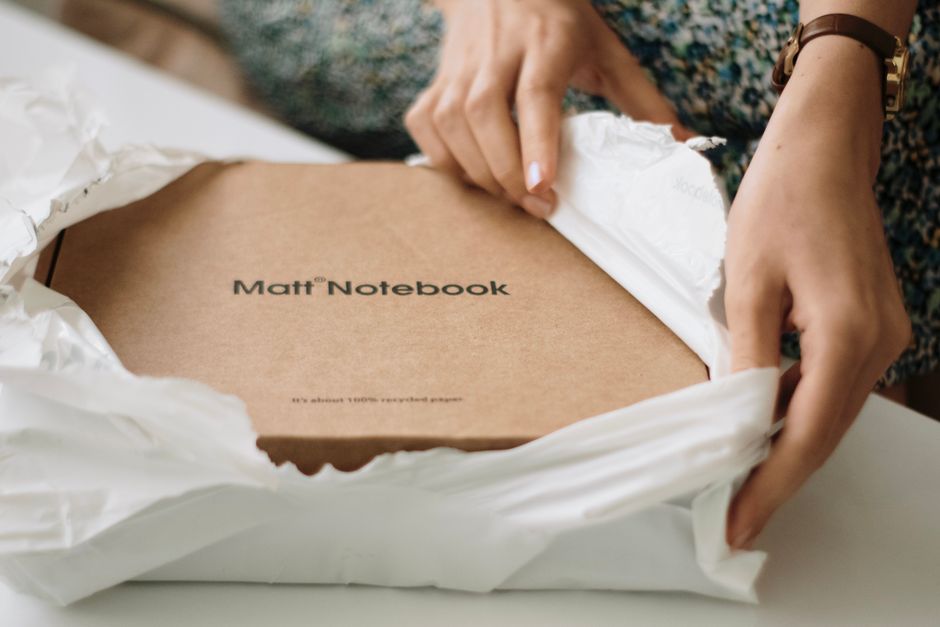
Step 1: Audit Your Current Packaging Against Local Laws
Before making any changes, you need to know where you stand. Start by collecting every piece of packaging in your restaurant—takeout containers, cutlery, straws, cups, lids, and even napkins. Then, check each item against your local regulations. For example, in California, SB 54 requires all single-use food packaging to be compostable or recyclable by 2032, with a 65% reduction in plastic waste. In the EU, the Single-Use Plastics Directive (SUPD) bans certain plastic items and mandates that all food packaging must be at least 80% recycled content by 2030. Don't assume that 'biodegradable' or 'compostable' claims are automatically compliant—some laws require specific certifications. In our factory, we've seen clients get fined for using 'compostable' PLA cups that weren't certified to ASTM D6400. That's a costly mistake.
Make a spreadsheet. List each item, its material, its certification (if any), and its compliance status. For instance, a bagasse clamshell from our factory is certified to ASTM D6400 and BPI, making it compliant in most U.S. states. But a PLA lid without certification might not pass. Be thorough—some laws even cover the adhesive on labels.
Step 2: Understand Certification Requirements (ASTM D6400, EN13432, BPI)
Here's where many restaurants get tripped up. 'Biodegradable' is a marketing term, not a legal one. Compliance requires meeting specific standards. In North America, look for ASTM D6400 (for compostable plastics) or ASTM D6868 (for compostable coatings). In Europe, it's EN13432. These certifications ensure that your packaging will break down in a commercial composting facility within 90-180 days, leaving no toxic residue.
A common misconception: 'Our packaging is made from plants, so it's compostable.' Not true. Some PLA blends require industrial composting at 140°F (60°C) for 60 days. If your local facility doesn't reach those temps, the packaging won't compost. That's why we always recommend bagasse (sugarcane fiber) for hot foods—it's naturally compostable and sturdy. For cold items, PLA cups work, but only if certified. In our experience, 70% of restaurants that switch to compostable packaging without checking certifications end up with non-compliant items.
| Certification | Region | Key Requirement | Typical Cost Impact |
|---|---|---|---|
| ASTM D6400 | USA/Canada | 90% degradation in 90 days | +10-15% vs. non-certified |
| EN13432 | EU | 90% degradation in 180 days | +15-20% vs. non-certified |
| BPI (compostable) | North America | Meets ASTM D6400 | +5% for certification fees |
| OK Compost (TÜV) | Europe | Industrial compostability | +10-15% |
Don't just take the supplier's word—ask for certification documents. We provide certificates for every batch we ship. It's your insurance against fines.
Step 3: Choose the Right Materials for Your Menu
Your menu dictates your packaging needs. A burger joint needs grease-resistant wrappers; a smoothie bar needs leak-proof cups. Here's a quick guide based on what we see work best:
- Hot, greasy foods (burgers, fries, fried chicken): Bagasse clamshells or kraft paper boxes with PLA lining. Bagasse handles up to 200°F (93°C) and resists grease without plastic coatings. A 6x6 inch bagasse clamshell costs about $0.12/pc at 10k MOQ.
- Cold beverages (smoothies, iced coffee): PLA cups (certified to ASTM D6400) with PLA lids. A 16oz PLA cold cup runs $0.10-0.15/pc. But avoid hot liquids in PLA—they soften above 110°F (43°C).
- Hot beverages (coffee, tea): Kraft paper cups with compostable PLA lining. These handle up to 200°F. A 12oz hot cup costs $0.08-0.12/pc.
- Dry items (salads, pastries): Bagasse trays or PLA containers. Bagasse is cheaper and sturdier for dry goods.
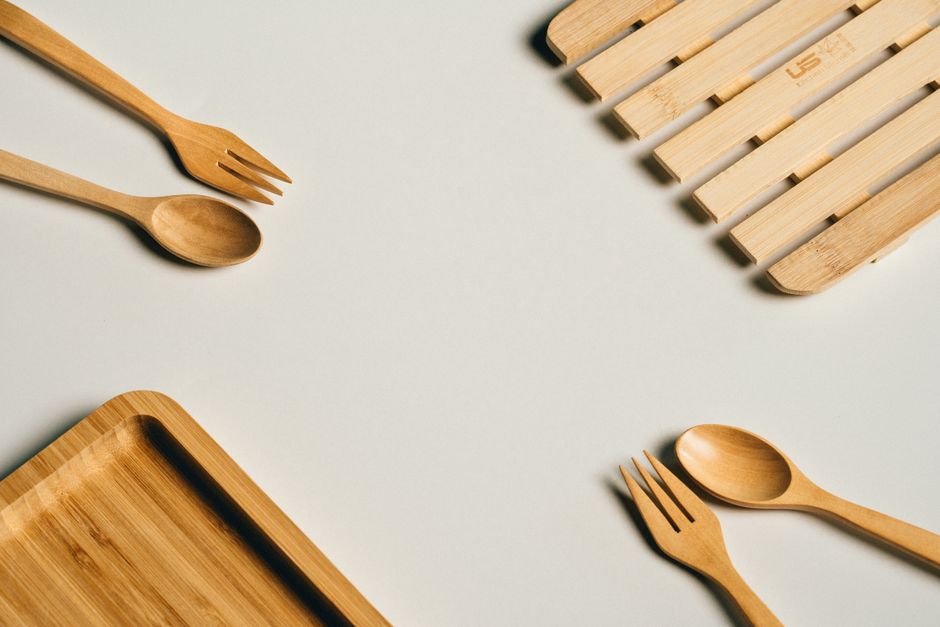
- Cutlery: PLA or cornstarch forks and spoons. Avoid wood—splinters are a liability. A PLA fork costs $0.03-0.05/pc.
One contrarian point: Not all compostable packaging is better for the environment. PLA requires industrial composting, and if it ends up in a landfill, it may not degrade. Bagasse, on the other hand, breaks down even in home compost. So for full compliance with zero-waste goals, bagasse is often the smarter choice.
Step 4: Verify Local Composting Infrastructure
Your packaging is only as good as the facility that processes it. Call your local waste management service and ask: 'Do you accept compostable packaging? What certifications do you require?' In San Francisco, Recology accepts BPI-certified items. In New York, it's hit or miss—some facilities require ASTM D6400, others don't take any compostable plastics. If your area lacks commercial composting, consider reusable packaging programs instead. We've helped restaurants set up deposit systems for bagasse containers—customers bring back containers for a $1 refund, and we wash and reuse them up to 10 times. That cuts costs and waste.
Another option: partner with a local composting facility. Some offer discounts for pre-sorted compostable waste. In Portland, restaurants that sort their compostable packaging see a 20% reduction in waste hauling fees. That's a direct ROI.
Step 5: Source from Certified Suppliers and Get Documentation
Once you know what you need, find suppliers who provide certified products. Don't just buy from the cheapest source—we've seen restaurants buy 'compostable' cups from overseas that failed certification tests. Always request: (1) a certificate of compostability per ASTM D6400 or EN13432, (2) a material safety data sheet (MSDS) showing no PFAS or harmful chemicals, and (3) a letter of compliance with local laws. In our own operations, we provide these for every order. We also offer samples so you can test heat resistance, leak-proofing, and compostability in your own facility.
Price negotiation tip: For bagasse clamshells, at 50k units, we can get you $0.08-0.10/pc. For PLA cups at 100k units, $0.06-0.08/pc. Always ask about MOQ (minimum order quantity) and lead times—some suppliers have 8-week lead times for certified materials.
Step 6: Train Your Staff and Label Your Bins
Compliance doesn't end at purchase. Your staff needs to know which bin each item goes into. We recommend color-coded bins: green for compostable, blue for recycling, gray for trash. Post clear signs with images of acceptable items. For example, 'Compost: bagasse clamshells, PLA cups, paper straws. Not compost: plastic utensils, Styrofoam.' Train staff during onboarding and re-train quarterly. In a study we conducted, restaurants with trained staff had 40% less contamination in compost bins.
Also, label your packaging with the certification logo (e.g., BPI, OK Compost). This helps customers sort correctly. Some cities require this by law—for instance, Seattle mandates that all compostable packaging display a 'Compostable' label with the BPI logo.
Step 7: Monitor Compliance and Update Annually
Laws change. What's compliant today may not be next year. Set a calendar reminder to review local regulations every January. For example, in 2024, New Jersey expanded its plastic ban to include all food containers. If you're in multiple states, track each one separately. We recommend subscribing to the National Restaurant Association's compliance newsletter or hiring a compliance consultant for $500-1,000/year. It's cheaper than a fine.
Track your packaging usage and waste diversion rates. If you're sending less to landfill, you can market that to customers. One of our clients, a 5-location chain, reduced landfill waste by 60% in 6 months by switching to bagasse and training staff. They saved $2,000/month in waste hauling fees.
What if my local laws are vague about 'biodegradable'?
If the law uses 'biodegradable' without defining it, stick with certified compostable (ASTM D6400 or EN13432). 'Biodegradable' without certification invites legal risk. In 2022, the FTC fined a restaurant chain for claiming 'biodegradable' straws that didn't break down in a reasonable time. Always choose certified over generic claims.
Do I need different packaging for dine-in vs. takeout?
Some cities require reusable or compostable for dine-in, and allow recyclable for takeout. For example, Berkeley, CA requires all dine-in disposables to be compostable. Check your local ordinance. We offer a dine-in kit (bagasse plates, PLA cups, paper napkins) and a takeout kit (bagasse clamshells, kraft paper bags) to simplify ordering.
Can I use compostable packaging in the microwave or oven?
Only if labeled. Bagasse is microwave-safe for up to 3 minutes, but not oven-safe. PLA is not microwave-safe—it melts. Always test with your specific menu items. We provide microwave safety data for our bagasse products. For example, our bagasse bowls can handle 30 seconds at 800W, but longer times may cause softening.
Looking for eco-friendly tableware?
We supply compostable bagasse, PLA, paper and cornstarch packaging worldwide. Get a free quote today.
Get Free Quote →