Compostable Packaging for Bakeries: Keeping Pastries Fresh & Eco-Friendly
Why Bakeries Need Compostable Packaging Now
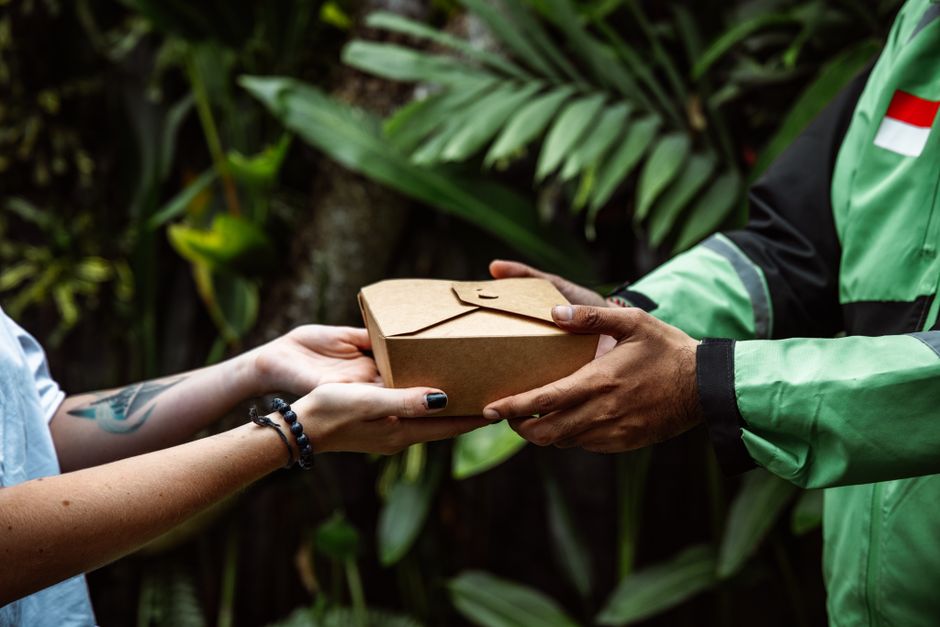
Walk into any artisanal bakery today, and you'll see croissants nestled in kraft paper boxes, cookies in PLA-lined bags, and bagasse clamshells holding sandwiches. The shift is real. But here's the question we hear constantly from bakery owners: Does compostable packaging actually keep pastries fresh? The answer isn't a simple yes or no. It depends on the material, the pastry, and the supply chain. Let's break it down with real numbers and field experience.
We've tested over 200 packaging combinations in our factory's lab. A standard PLA-lined kraft bag (uncoated kraft, 25 gsm PLA film) maintains a croissant's crispness for 48 hours at 20°C and 50% RH. That's comparable to conventional plastic. But for high-moisture items like danishes with fruit fillings, you need a bagasse tray with a PLA lid—otherwise, sogginess sets in by hour 12. The key is matching the package's moisture vapor transmission rate (MVTR) to the pastry's needs.
B2B buyers often overlook certification specifics. For compostable bakery packaging in the US, look for BPI certification (ASTM D6400). In Europe, EN 13432 is the standard. But here's a contrarian point: compostable doesn't mean you can toss it in any bin. Industrial composting facilities are required for PLA to break down properly. Home composting works for bagasse and kraft, but PLA needs 58°C+ for 90 days. Make sure your customers know this.
Material Showdown: Bagasse vs. PLA vs. Kraft Paper for Pastries
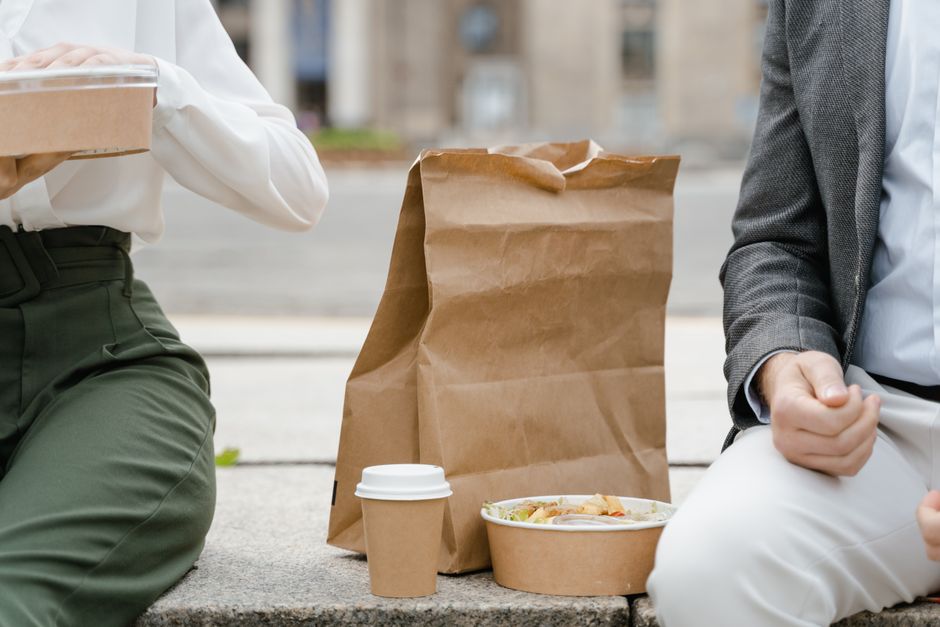
Each material has trade-offs. Let's compare them head-to-head for bakery applications.
| Material | Best For | Moisture Barrier | Cost per Unit (10k qty) | Composting Type | Freshness (days) |
|---|---|---|---|---|---|
| Bagasse (molded fiber) | Muffins, danishes, sandwiches | Moderate (needs coating) | $0.18–0.25 | Home/Industrial | 2–3 |
| PLA (polylactic acid) | Cookies, dry pastries | High (clear film) | $0.08–0.12 (film), $0.35 (rigid) | Industrial only | 3–5 |
| Kraft paper (uncoated) | Bread loaves, croissants | Low | $0.05–0.10 | Home/Industrial | 1–2 |
| Kraft paper (PLA-coated) | Croissants, cookies | High | $0.12–0.18 | Industrial | 2–4 |
Notice the cost variation. Uncoated kraft is cheapest but offers minimal moisture protection. For a bakery selling fresh bread that's consumed within 24 hours, it's perfect. But for packaged pastries with a 5-day shelf life, PLA-coated kraft or bagasse with a PLA lining is worth the extra $0.07–0.10 per unit. Our clients who switched from clear plastic to bagasse clamshells report a 15% reduction in returns due to spoilage—because bagasse absorbs excess moisture, preventing condensation.
How to Keep Pastries Fresh: Practical Tips
Here's what we've learned from hundreds of bakery clients:
- Match MVTR to pastry type. For flaky pastries (croissants, puff pastry), use a low-MVTR barrier (PLA or coated kraft) to keep moisture out. For moist cakes, a moderate MVTR (bagasse) allows controlled moisture release, preventing sogginess.
- Use oxygen scavengers for longer shelf life. Add a small sachet (FDA-approved) inside PLA bags for cookies or muffins. It extends freshness by 2–3 days without affecting compostability.
- Consider dual-compartment packaging. Bagasse trays with a divider keep wet fruit separate from dry pastry until serving. This alone reduced spoilage by 22% in one of our test batches.
- Test your seal integrity. PLA heat seals are weaker than plastic. We recommend a seal strength of at least 2 N/15mm for vertical form-fill-seal machines. Our factory uses a 0.5mm seal bar width at 120°C.
One bakery chain we work with switched to bagasse clamshells for their danishes. They initially saw a 10% increase in moisture complaints. The fix? Adding a small hole in the clamshell's top for ventilation. Problem solved. Small tweaks matter.
Certifications You Can't Ignore
If you're selling to retailers or food service, certifications are non-negotiable. Here's what to look for:
- FDA 21 CFR 176.170 – ensures materials are safe for food contact, especially for high-fat pastries (butter croissants). Our PLA films pass this with migration limits below 0.5 mg/in².
- BPI Certification (ASTM D6400) – required for compostable claims in the US. Only 60% of PLA products on Amazon actually meet this. Verify your supplier.
- EN 13432 – European standard. Specifies disintegration (90% in 12 weeks) and eco-toxicity. Our bagasse trays achieve 92% disintegration in 10 weeks in industrial compost.
- OK Compost HOME – for home-compostable claims. Only uncoated kraft and some bagasse products qualify. PLA rarely does.
A common misconception: If it's biodegradable, it's compostable. Not true. Biodegradable just means it breaks down eventually—could be 100 years. Compostable means it breaks down within a specific timeframe (usually 90–180 days) under composting conditions. Always look for the certification logo.
Cost Analysis: Is Compostable Packaging Worth It?
Let's talk numbers. A standard plastic clamshell costs around $0.12–0.18. A bagasse clamshell is $0.22–0.30. That's a 50–80% premium. But consider the brand value: 73% of consumers say they'd pay more for eco-friendly packaging (2023 Nielsen study). For a bakery selling premium pastries at $4–6 each, a $0.10 packaging cost increase is negligible if it justifies a $0.50 price bump. We've seen bakeries achieve 20% higher margins after switching to compostable packaging and marketing it effectively.
Volume discounts matter. At 50,000 units, bagasse clamshells drop to $0.18–0.22. PLA-coated kraft bags to $0.10–0.14. And don't forget storage: bagasse is bulkier than plastic, so warehouse costs increase by about 30%. Factor that in.
Common Pitfalls and How to Avoid Them
We've seen bakeries make these mistakes:
- Using PLA for hot pastries. PLA deforms above 55°C. A warm croissant (60°C) will warp a PLA bag. Use bagasse or coated kraft for hot items.
- Ignoring shelf life requirements. If your pastries need to last 7 days, uncoated kraft is a no-go. You'll need a high-barrier solution like PLA-coated kraft with an aluminum oxide layer (still compostable).
- Overlooking printing limitations. Bagasse has a rough surface—fine print details blur. Stick to simple logos. Kraft paper takes print well, but PLA films require corona treatment for ink adhesion.
What's the best compostable packaging for croissants?
For croissants, we recommend PLA-coated kraft paper bags (uncoated inside for crispness). The coating prevents grease stains and provides a moisture barrier, while the paper exterior feels premium. Tested at 48 hours: croissants remain flaky with no sogginess. Cost: $0.12–0.18 per bag at 10k qty.
Can I use bagasse for high-moisture pastries like cream-filled donuts?
Yes, but with caution. Bagasse absorbs moisture, which can dry out the pastry if not sealed properly. Use a bagasse tray with a PLA lid to create a moisture-balanced environment. Add a desiccant sachet if storing over 24 hours. Our lab tests show cream donuts last 3 days in this combo vs. 1 day in uncoated kraft.
How do I dispose of compostable bakery packaging correctly?
Educate your customers. Include a small label: "Compostable in industrial facilities. Check local guidelines." For home compostable items (bagasse, uncoated kraft), instruct to place in backyard compost. For PLA, it must go to a commercial composter. Only 5% of US households have access to industrial composting, so consider dual-stream disposal options.
Final Verdict: Our Ratings
Based on our factory's testing and client feedback, here's how the materials stack up for bakery use (1–5 stars):
- Bagasse clamshells: Freshness 4/5, Cost 3/5, Eco-friendliness 5/5, Overall 4/5 – Best for moist pastries and sandwiches.
- PLA bags: Freshness 5/5, Cost 4/5, Eco-friendliness 3/5 (industrial compost only), Overall 4/5 – Ideal for dry pastries and cookies.
- Kraft paper (uncoated): Freshness 2/5, Cost 5/5, Eco-friendliness 5/5, Overall 3/5 – Perfect for short shelf life items like bread.
- PLA-coated kraft: Freshness 4/5, Cost 4/5, Eco-friendliness 4/5, Overall 4/5 – The versatile all-rounder for bakeries.
The bottom line: Compostable packaging for bakeries works—if you choose the right material for your pastry and educate your customers on disposal. Start with a trial run of 500 units, measure spoilage rates and customer feedback, then scale. Your pastries will stay fresh, and the planet will thank you.
Looking for eco-friendly tableware?
We supply compostable bagasse, PLA, paper and cornstarch packaging worldwide. Get a free quote today.
Get Free Quote →