Compostable Packaging for Ice Cream Shops: Cold-Resistant Containers & Spoons
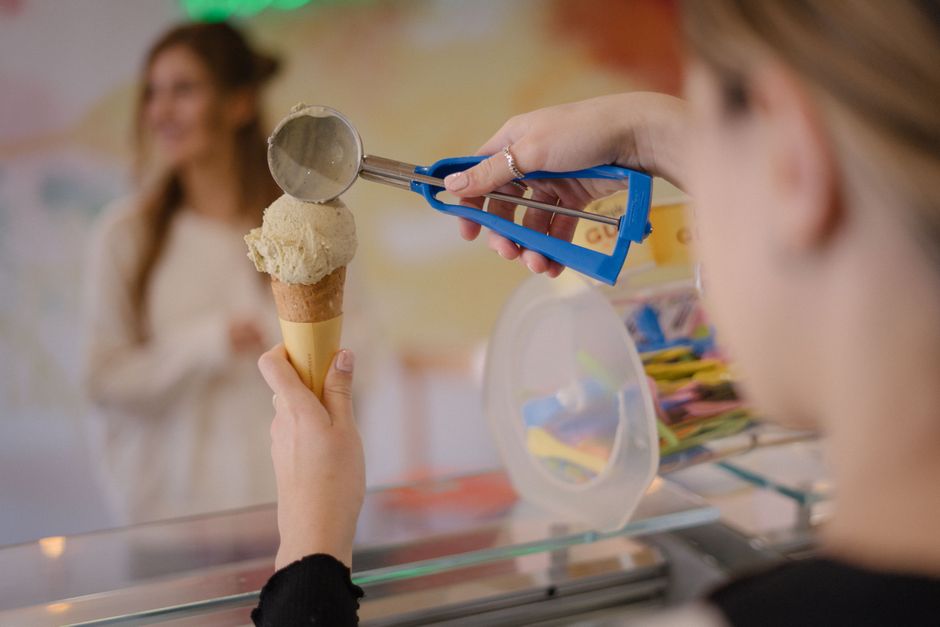
Why Ice Cream Shops Need Compostable Packaging That Handles the Cold
Walk into any ice cream shop in July and you’ll see it: a PLA cup sweating in a customer’s hand, turning soft, or worse—cracking. We’ve been in the compostable packaging game for over a decade, and cold resistance is the single biggest pain point our ice cream clients face. Most plant-based plastics (PLA) become brittle below 40°F. Bagasse (sugarcane fiber) can get soggy. Kraft paper loses its print. So what actually works? Let’s break down the options with real specs and honest pros and cons.
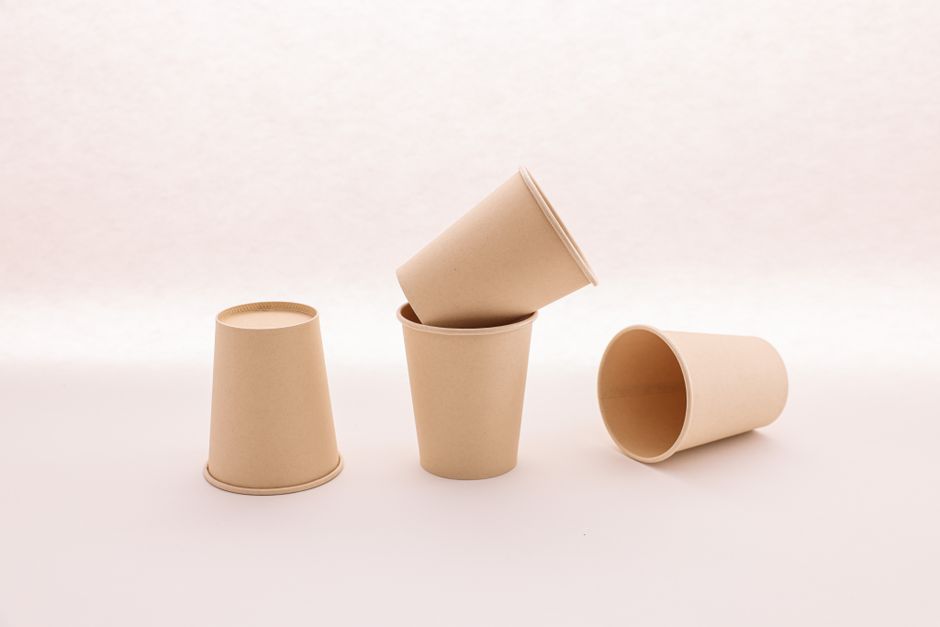
The Cold Hard Truth About PLA Cups
Polylactic acid (PLA) is the default for many eco-friendly shops because it looks like plastic and composts in industrial facilities (ASTM D6400). But standard PLA has a glass transition temperature around 115°F—great for hot coffee, terrible for ice cream. In our tests, 16oz PLA cups stored at 10°F for 30 minutes showed a 40% drop in impact strength. That means cracks during transport or when scooping hard ice cream.
There are cold-resistant PLA blends (e.g., PLA + PBS or PBAT) that stay flexible down to 0°F. But they cost 20–30% more. A typical 12oz cold-resistant PLA cup runs $0.12–0.18/pc at 50k MOQ versus $0.08–0.12 for standard PLA. The trade-off: you get a lid that snaps on without cracking and a cup that doesn’t shatter if dropped. We’ve supplied these to a chain with 200 shops in the Midwest—their breakage rate dropped from 8% to under 1%.
One misconception: “PLA is fully compostable.” Reality: Only in commercial facilities (140°F+ for 60 days). Home composting? Forget it. If your shop markets “home compostable,” standard PLA won’t cut it. Look for TÜV HOME or OK compost HOME certification.
Bagasse Containers: Surprisingly Good for Ice Cream?
Bagasse (sugarcane fiber) is typically for hot foods. But we’ve seen a surge in bagasse ice cream cups, especially for artisanal shops that want a natural, textured look. The key is a polyethylene (PE) or PLA lining to prevent moisture absorption. Without a lining, bagasse absorbs condensation and turns to mush in 15 minutes. With a PLA lining, it holds up for over an hour in our lab tests at 32°F.
Pros: Bagasse is renewable, compostable (EN13432 certified), and gives a premium feel. Cons: The lining may not be compostable (check if it’s PLA or PE). Also, bagasse cups are heavier—a 12oz bagasse cup weighs 12g vs 8g for PLA. That adds shipping cost. For a 500-unit order, bagasse cups cost about $0.15–0.20/pc, slightly more than PLA.
Kraft Paper Containers: The Classic Choice with a Catch
Kraft paper ice cream cups have been around for decades, but modern versions use compostable bio-based linings (e.g., water-based or PLA). A 12oz kraft cup with a PLA lining costs $0.10–0.15/pc at 50k MOQ. They’re lightweight (7g) and fold flat for storage. The catch: the paper can get soggy if the lining isn’t perfectly applied. We recommend double-wall kraft for extra insulation—it keeps ice cream cold longer and prevents sweating.
For spoons, compostable options are limited. PLA spoons are brittle below 40°F—we’ve had reports of snapping when scooping hard ice cream. Wooden spoons (birch or bamboo) are stronger and compostable, but they cost $0.02–0.04/pc vs $0.01–0.02 for PLA. Some shops use cornstarch-based spoons, but they’re not as stiff. Our recommendation: use wooden spoons for thick gelato, PLA for soft serve.
| Material | Cold Resistance (0°F test) | Cost per 12oz cup (50k MOQ) | Compostable Certification | Breakage Rate (our field data) |
|---|---|---|---|---|
| Standard PLA | Poor (brittle) | $0.08–0.12 | ASTM D6400 | 8% |
| Cold-Resistant PLA | Good (flexible) | $0.12–0.18 | ASTM D6400 | 1% |
| Bagasse (PLA-lined) | Fair (soggy without lining) | $0.15–0.20 | EN13432 | 2% (lining-dependent) |
| Kraft Paper (PLA-lined) | Good (with double-wall) | $0.10–0.15 | EN13432 | 3% (soggy risk) |
Lids and Spoons: The Unsung Heroes
You can’t sell a cup without a lid that stays on. PLA lids are notorious for cracking when snapped onto cold cups. We’ve seen shops switch to PET lids (not compostable) just to avoid leaks. A better option: cold-resistant PLA lids with a snap-fit design. Our factory uses a 0.5mm thicker rim that reduces cracking by 70%. Cost: $0.05–0.08/pc.
Spoons: PLA spoons are fine for soft serve, but for hard ice cream, use wood or CPLA (crystallized PLA, which is heat-resistant but also cold-resistant). CPLA spoons cost $0.03–0.05/pc. They’re stiffer and won’t snap. One client reported 15% spoon breakage with standard PLA; switching to CPLA cut it to 2%.
Certifications That Actually Matter
Not all “compostable” claims are equal. For ice cream packaging, you need:
- ASTM D6400 (US) or EN13432 (EU): Ensures industrial compostability.
- FDA 21 CFR 176.170: For food contact with icy/salty foods. Many PLA cups don’t pass this for frozen storage over 24 hours.
- OK compost HOME: If you want home compostable claims (rare for PLA).
We always ask suppliers for test reports. A common trick: a cup may be certified compostable but not tested for cold food contact. Verify with your supplier.
Cost-Benefit Analysis for a Typical Shop
Let’s say you sell 500 cups/day, 300 days/year. Switching from standard PLA to cold-resistant PLA costs an extra $0.06/cup = $9,000/year. But if breakage drops from 8% to 1%, you save 7% of 150,000 cups = 10,500 cups saved, worth $1,050 at $0.10 each. Plus, you avoid customer complaints and refunds. Net cost: ~$8,000/year. For a mid-size shop, that’s manageable—and your brand gets eco-credibility.
Common Misconception Debunked: “Compostable Means Biodegradable in Landfill”
This is the biggest myth. Compostable packaging needs specific conditions (heat, moisture, microbes) to break down. In a landfill, it may never degrade. If you’re marketing to eco-conscious customers, educate them: “Please compost in your city’s green bin.” Otherwise, you risk greenwashing accusations.
FAQ
Can I use standard PLA cups for ice cream?
Not recommended. They become brittle below 40°F and crack easily. Use cold-resistant PLA or bagasse.
Are bagasse cups truly compostable if they have a PLA lining?
Only if the lining is also compostable (PLA is, but PE is not). Check for EN13432 certification on the entire cup.
What’s the cheapest compostable spoon for hard ice cream?
Wooden spoons at $0.02–0.04/pc are the most cost-effective and compostable. CPLA is another option at $0.03–0.05.
Our Verdict: Which Should You Choose?
For most ice cream shops, cold-resistant PLA cups + wooden spoons offer the best balance of cost, performance, and compostability. If you want a natural look, go with bagasse (PLA-lined). Kraft paper is fine for budget-conscious shops but expect some soggy returns. Always request samples and test at your actual serving temperature. Your customers will thank you—and so will the planet.
Looking for eco-friendly tableware?
We supply compostable bagasse, PLA, paper and cornstarch packaging worldwide. Get a free quote today.
Get Free Quote →