How to Dispose of Compostable Tableware in Commercial Composting
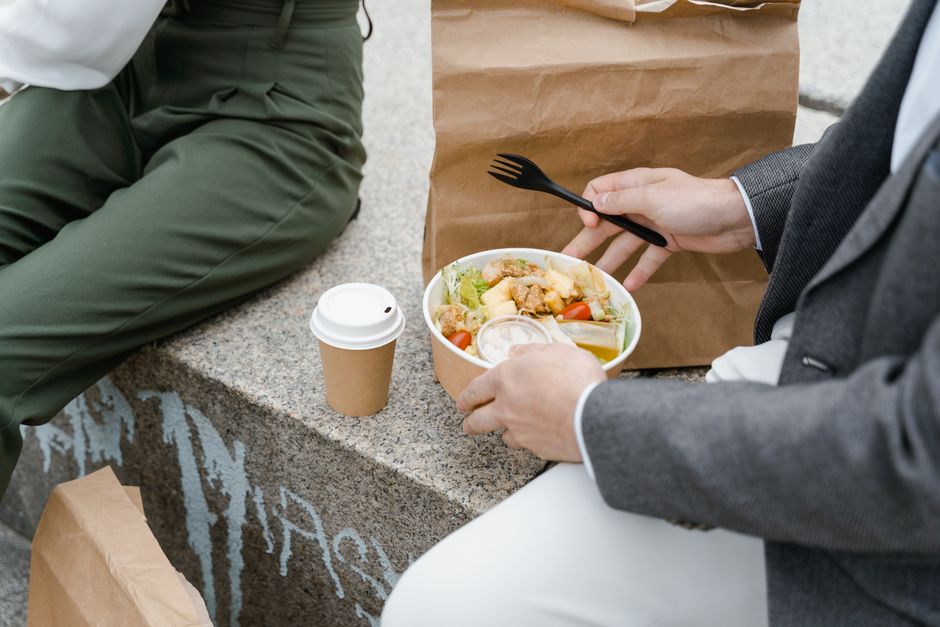
Step 1: Check Your Local Commercial Composting Infrastructure
Before you even order your first pallet of bagasse clamshells or PLA-lined cups, verify that your local commercial composting facility actually accepts compostable tableware. This is the single most important step. Many facilities — especially in the US — are set up for yard waste and food scraps only. They may not accept bioplastics or coated papers, even if those items carry BPI certification or meet ASTM D6400 standards.
Call your hauler or the facility directly. Ask: "Do you accept compostable packaging labeled PLA, bagasse, or kraft with bioplastic lining?" Some facilities require a minimum volume, say 5 tons per pickup, which may mean you need to coordinate with neighboring businesses. In our experience working with restaurants in the Pacific Northwest, about 60% of commercial composters accept compostable tableware, but that drops to 30% in the Midwest. Know your region.
If your local facility doesn't take it, you have two choices: switch to recyclable or reusable options, or find a specialist compost service that does. Don't assume the packaging will break down in a landfill — it won't. Compostable tableware needs the heat, moisture, and microbial activity of an industrial composter to degrade within 90 days.

Step 2: Separate Compostable Items from Contaminants
Contamination is the enemy of commercial composting. A single plastic fork or a non-compostable cup sleeve can ruin an entire batch. Train your staff and educate your customers. Set up clearly labeled bins — use color coding (green for compost, black for landfill, blue for recycling). Place them side by side with visual guides showing what goes where.
Common contaminants include: plastic straws (even those labeled "biodegradable" — they're not compostable), metal cutlery, glass bottles, and compostable items with heavy food residue like grease-soaked pizza boxes. While bagasse and kraft paper can handle some grease, excessive oil can slow composting. Scrape off large food scraps, but don't worry about small bits. A 500ml PLA cup with a bit of coffee residue is fine.
For back-of-house, use dedicated compost bins with lids to control odors. Empty them daily, especially in warm weather. We recommend using compostable bin liners made from cornstarch or PLA — but check with your composter first. Some facilities reject liners because they don't break down fast enough.
Step 3: Store Compostable Waste Properly
Compostable tableware is designed to break down, so it can start degrading before it reaches the composter if stored improperly. Keep your compost waste in a cool, dry area. Avoid direct sunlight and excessive heat. If you're using PLA cups, note that PLA has a glass transition temperature around 140°F (60°C). In a hot parking lot in July, those cups can warp and start degrading within days.
For large volumes — say 50+ gallons per day — consider a dedicated compost storage area with good ventilation. Use sealed bins to keep out pests. We've seen facilities use walk-in coolers for short-term storage, which also reduces odors. If you're in a humid climate, bagasse can mold quickly. Mold isn't necessarily bad for composting, but it's unpleasant for staff and customers. Rotate stock: first in, first out.
Step 4: Choose the Right Compostable Tableware for Your Composter
Not all compostable tableware is created equal. Some items break down in 30 days, others take 90. Some require high heat (140°F+), others work at lower temperatures. Know what your facility requires. Most commercial composters follow ASTM D6400 (US) or EN13432 (EU) standards, but they may have specific preferences.
Here's a comparison of common materials:
| Material | Time to Degrade (Industrial) | Temperature Needed | Cost per Unit (50k MOQ) | Best For |
|---|---|---|---|---|
| Bagasse (sugarcane fiber) | 30-60 days | 130-150°F | $0.05-0.08/pc (clamshell) | Hot foods, greasy items |
| PLA (polylactic acid) | 60-90 days | 140-160°F | $0.08-0.12/pc (cup) | Cold drinks, salads |
| Cornstarch (CPLA) | 60-90 days | 140-160°F | $0.10-0.15/pc (fork) | Cutlery, hot liquids |
| Kraft paper (unlined) | 20-40 days | 120-140°F | $0.03-0.06/pc (plate) | Dry foods, bread |
| Kraft paper (PLA-lined) | 60-90 days | 140-160°F | $0.07-0.10/pc (cup) | Hot drinks, soups |
Note: PLA items often require higher temperatures than bagasse. If your composter runs at 130°F, PLA may not fully degrade. Ask for their temperature profile. Also, some facilities pre-shred compostables. Thicker items like cutlery may need to be ground up first. Check if your composter accepts whole items or requires pre-processing.
Step 5: Implement a Collection Routine with Your Hauler
Work with your waste hauler to schedule pickups that match your compostable waste volume. Most commercial composters require a minimum of 2-3 cubic yards per pickup. If you're a small cafe, you might need to share a bin with neighboring businesses. In cities like San Francisco, shared compost programs are common.
Set up a regular schedule — daily for high-volume restaurants, twice a week for lower volume. Monitor the bins for contamination. We recommend doing a quick visual inspection before each pickup. If you see non-compostable items, pull them out. Over time, contamination rates should drop below 5%.
One common misconception: "Compostable means I can throw it anywhere." No. Compostable tableware is only beneficial if it actually enters a commercial composting system. If it goes to a landfill, it may not degrade at all due to lack of oxygen. Or if it does, it can produce methane, a potent greenhouse gas. So the collection routine is critical.
Step 6: Educate Your Customers and Staff
Even with the best intentions, people make mistakes. Put up clear signs above each bin. Use images, not just words. For example, show a picture of a PLA cup with a checkmark, and a plastic cup with an X. Train your staff to politely correct customers. We've seen cafes that have a "compost champion" who monitors the bins during peak hours.
For events, consider having a dedicated waste station with a staff member. At a recent food festival we consulted for, contamination dropped from 20% to 5% just by having someone stand by the bins. Also, include disposal instructions on your packaging if possible. A simple label: "Commercially compostable — check local facilities" can prevent confusion.
One contrarian point: some argue that compostable tableware encourages littering because people think it will just disappear. That's not true. Compostable items still take weeks to degrade, and in the ocean they behave like plastic. Always emphasize proper disposal.
Step 7: Monitor and Optimize Your Composting Program
Track your waste diversion rate. How many pounds of compostable waste are you sending each week? Compare to your total waste. Aim for at least 70% diversion. Use a scale or estimate based on bin volume. Review contamination reports from your hauler. If they reject a load due to contamination, find out what caused it and retrain staff.
Also, review your packaging choices. Are there items that consistently end up in the landfill bin? Maybe your PLA forks are too similar to plastic ones. Consider switching to a different color or shape. Or maybe your bagasse bowls are too flimsy for soups — then upgrade to a thicker gauge. We've seen businesses save 15% on waste hauling fees by optimizing their composting program.
Finally, get certified. Programs like the Green Restaurant Association or TRUE Zero Waste can help you benchmark and promote your efforts. Customers appreciate transparency.
Frequently Asked Questions
Can I put compostable tableware in my backyard compost pile?
Generally no. Backyard compost piles don't reach the sustained high temperatures (140°F+) needed to break down PLA or thick bagasse. Thin kraft paper plates might degrade, but it's slow. Stick to industrial composting for most compostable tableware.
How long does it take for compostable tableware to break down?
In a well-managed commercial composter, bagasse can break down in 30-60 days, PLA in 60-90 days, and kraft paper in 20-40 days. But it depends on temperature, moisture, and microbial activity. Some facilities can do it faster with pre-shredding.
What if my local composter doesn't accept compostable tableware?
Then you should not use it. Switch to recyclable or reusable options. Using compostable packaging that ends up in a landfill is worse than using conventional plastic because it may generate methane. Always verify before buying.
Looking for eco-friendly tableware?
We supply compostable bagasse, PLA, paper and cornstarch packaging worldwide. Get a free quote today.
Get Free Quote →