Zero-Waste Packaging for Food Festivals: Sourcing & Logistics FAQ
What Makes Bagasse and PLA the Go-To Choices for Festival Vendors?
Bagasse (sugarcane fiber) and PLA (corn-based plastic) dominate the zero-waste festival scene for good reason. Bagasse handles hot, greasy foods like a champ—think loaded nachos or BBQ pulled pork. It’s microwave-safe up to 120°C and composts in 60–90 days under industrial conditions (ASTM D6400 certified). PLA, on the other hand, shines for cold items: salads, fruit cups, or beverages. A 500ml PLA cup runs $0.08–0.12/pc at 50k MOQ, while a bagasse clamshell (9x9 inch) costs $0.15–0.22/pc. Both meet FDA 21 CFR 176.170 for food contact. But here’s the catch: PLA requires industrial composting (58°C+ for 90 days), so don’t expect it to break down in your backyard bin. Many festivals now mix both: bagasse for hot entrees, PLA for drinks and cold sides.
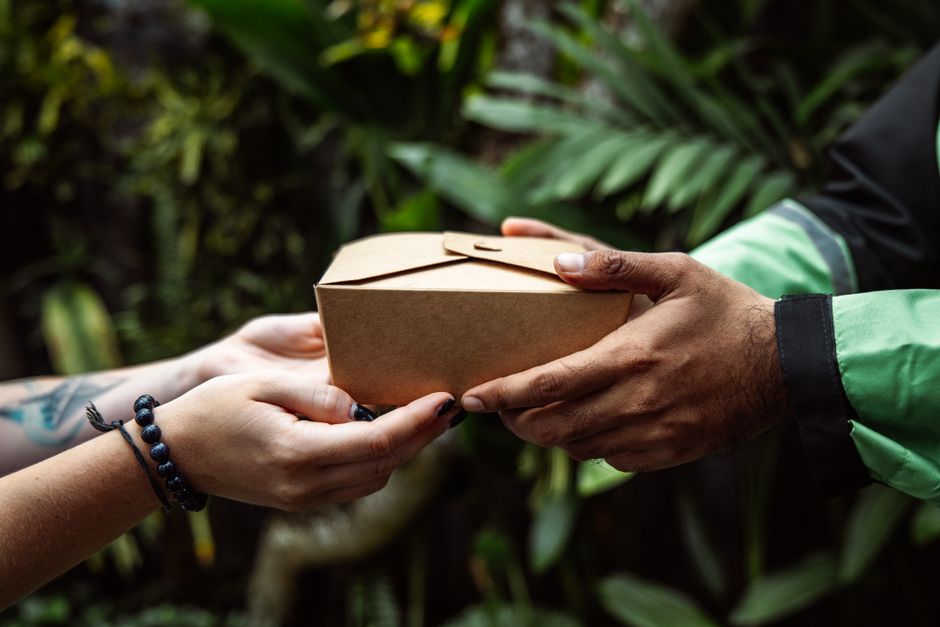
Kraft paper, often lined with PLA or wax, is another workhorse—perfect for wraps, bags, and trays. Unlined kraft is great for dry goods like popcorn or bread. A 12-oz kraft paper bowl runs $0.06–0.10/pc. For festivals, the key is matching material to food type: grease-resistant bagasse for fried foods, PLA for acidic drinks (citrus won’t degrade it), and kraft for low-moisture items. Always request a compatibility test kit from your supplier before committing.
How Do I Calculate the Right MOQ and Lead Time for My Festival?
Minimum order quantities (MOQs) for compostable packaging typically range from 10,000 to 50,000 pieces per SKU. A small festival needing 5,000 plates might pay 20–30% more per unit. Consolidate SKUs—use one plate size for all mains, one bowl for all sides—to hit MOQs faster. Lead times average 4–6 weeks for custom prints, 2–3 weeks for stock designs. We’ve seen festivals burn through 8,000 pieces of cutlery per day, so order at least 1.5x your estimated usage to cover spillage and waste.
Here’s a pro tip: combine orders with neighboring festivals or share a container. Many suppliers offer split shipments for a small fee. For urgent needs, domestic warehouses stock generic bagasse plates—expect $0.12–0.18/pc but limited customization. Always confirm lead times in writing; we once had a client lose $12k because their PLA cups arrived two days after the festival started.
What Certifications Should I Verify Before Ordering?
Don’t take “eco-friendly” at face value. Insist on third-party certifications. For industrial compostability, look for BPI (US), OK Compost INDUSTRIAL (EU), or EN13432 (EU). Home compostable claims require OK Compost HOME or TÜV Austria’s “OK Compost HOME”—rare for PLA. Kraft paper should be FSC-certified (FSC C123456) to ensure responsible sourcing. Bagasse often doesn’t need certification if it’s unbleached, but verify no PFAS are added for grease resistance. We test every batch for PFAS using EPA method 1633.
A common misconception: “biodegradable” is not “compostable.” Biodegradable means it breaks down eventually—could be 100 years. Compostable means it breaks down within a specific timeframe (e.g., 180 days per ASTM D6400). Avoid products labeled only “biodegradable.” Also, check local regulations: California’s SB 54 requires compostable packaging to meet ASTM D6400 or D6868. Fines can hit $10k per violation. Our factory provides a compliance pack with every order: MSDS, compostability certificates, and PFAS test reports.
How Should I Store Compostable Packaging Before the Event?
Heat and humidity are enemies. PLA starts to degrade above 40°C (104°F)—store in a cool, dry place away from direct sunlight. Bagasse is more robust but can absorb moisture, becoming soggy. Ideal storage: 15–25°C, humidity below 60%. We’ve seen a pallet of PLA cups warp after a day in a hot truck. Use climate-controlled storage or at least shade and ventilation. For festivals lasting multiple days, keep inventory in a shaded tent with a dehumidifier if possible.
Kraft paper products should stay sealed in their original plastic wrap until use. Once exposed to air, they can lose stiffness. Rotate stock: first-in, first-out. If you’re storing for more than 6 months, request a shelf-life test from your supplier. Most compostable items last 1–2 years under ideal conditions. We label every box with “store below 30°C” to remind crews.
What Are the Hidden Costs in Compostable Packaging Sourcing?
Price per piece is just the start. Factor in shipping weight: bagasse is lightweight (a case of 500 plates weighs ~15 lbs), but PLA is heavier (25 lbs per case). Freight costs can add $0.02–0.05/pc for cross-country shipping. Custom printing adds $200–500 per SKU for plate setup. Some suppliers charge extra for “compostable” labels or certification logos. Ask for all-in pricing including packaging, palletizing, and delivery.
Another hidden cost: waste management. You’ll need separate bins and signage for compostables—plus a compost hauler. A 3-bin system (compost, recycle, landfill) can cost $500–2,000 for a weekend festival. Some cities offer rebates; check with your local waste authority. We’ve seen festivals save $1,000+ by partnering with a local compost facility that takes the waste for free in exchange for marketing.
How Do I Source Compostable Cutlery That Doesn’t Break?
PLA cutlery is notorious for snapping in hot dishes. Switch to CPLA (crystallized PLA) for better heat resistance—handles up to 85°C. A CPLA fork costs $0.04–0.06/pc at 50k MOQ, versus $0.02–0.04 for standard PLA. Wooden cutlery (birch or bamboo) is sturdier and home-compostable, but costs $0.10–0.15/pc. Forks with reinforced tines (thicker cross-section) reduce breakage. Test a sample kit: fill a bowl with 90°C chili and stir with each fork. We did this and found standard PLA forks failed 30% of the time; CPLA had zero failures.
Another option: bagasse cutlery (rare but exists) or edible cutlery (sorghum-based). Edible spoons cost $0.08–0.12/pc and add novelty. But they have a short shelf life (6 months) and absorb moisture. For most festivals, CPLA or wood is the sweet spot. Always order 5% extra to cover breakage.
What’s the Best Way to Handle Compostable Waste at a Festival?
Set up clear signage: “Compost: All food, plates, cups, napkins” with pictures. Use color-coded bins (green for compost, blue for recycling, black for landfill). Station volunteers at bin banks to educate attendees. We’ve seen contamination rates drop from 40% to 15% with a “sorting station” where staff sorts waste. Train your team: PLA cups look like plastic but go in compost; wooden cutlery is compostable; napkins can be compostable if not heavily soiled with non-compostable materials.
Partner with a commercial compost facility that accepts compostable packaging. Many require a “pre-consumer” separation step—remove any non-compostable items. Some facilities charge $50–150 per ton. Negotiate a flat fee for the event. If no local compost facility exists, consider a “zero-waste to landfill” goal by sending compostables to an anaerobic digester. We’ve worked with festivals that achieved 90% diversion by using only compostable packaging and rigorous sorting.
Can I reuse compostable plates and cups?
Not recommended. Bagasse and PLA are single-use by design. Reusing them risks bacterial growth and structural failure. However, some kraft paper bowls can be rinsed and reused for dry snacks. For sustainability, focus on reducing waste rather than reusing items not designed for it.
How do I find a reliable supplier for small quantities?
Look for distributors that specialize in eco-friendly packaging for events. Companies like Eco-Products, World Centric, and Green Paper Products offer no-minimum orders but at higher per-unit prices. For better rates, join a buying group or co-op with other local festivals. Online marketplaces like Alibaba have MOQs of 10k+ but vet suppliers carefully—request samples and certificates before paying.
Are there any compostable packaging options for hot liquids?
Yes. Double-wall bagasse cups with a PLA lining can handle coffee at 90°C for up to 30 minutes. For longer hold, use insulated kraft paper cups with a compostable PLA liner—costs $0.15–0.20/pc for a 12oz cup. Avoid standard PLA cups for hot drinks; they soften at 60°C. Always test with your actual beverage temperature.
| Material | Best For | Temp Limit | Cost per Piece (50k MOQ) | Compost Time (Industrial) |
|---|---|---|---|---|
| Bagasse | Hot, greasy foods | 120°C | $0.15–0.22 (9x9 clamshell) | 60–90 days |
| PLA | Cold drinks, salads | 60°C | $0.08–0.12 (500ml cup) | 90 days |
| CPLA | Hot foods, cutlery | 85°C | $0.04–0.06 (fork) | 90 days |
| Kraft Paper (unlined) | Dry snacks, wraps | N/A | $0.06–0.10 (12oz bowl) | 30–60 days |
Remember: sourcing compostable packaging for festivals is a balancing act between cost, performance, and sustainability. Start planning 4–6 months out, test samples, and build relationships with suppliers. The right packaging not only reduces waste but also signals to attendees that your event cares about the planet. And that’s priceless.
Looking for eco-friendly tableware?
We supply compostable bagasse, PLA, paper and cornstarch packaging worldwide. Get a free quote today.
Get Free Quote →