Compostable vs Biodegradable Plates: ASTM D6400 and Cost
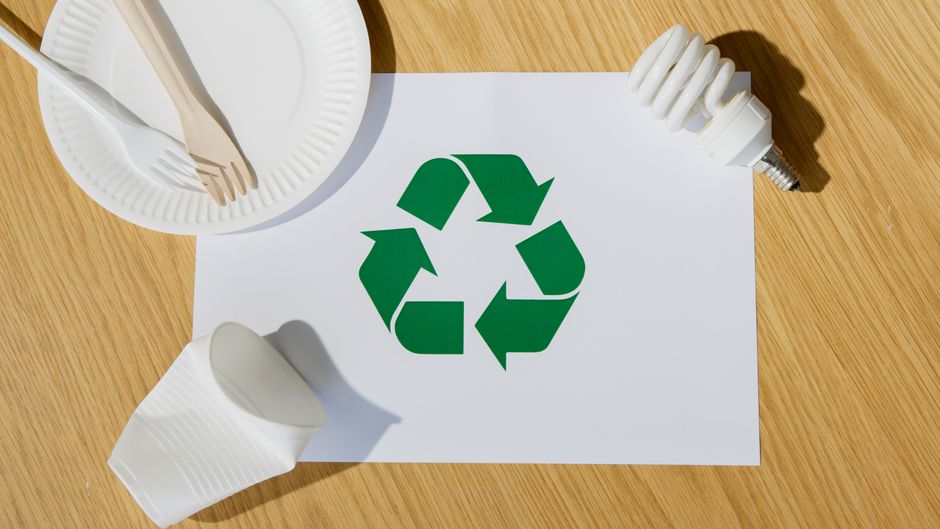
What exactly is the difference between compostable and biodegradable plates?
Let's cut through the marketing fluff. A biodegradable plate will break down over time, but there's no guarantee on how long it takes or what it leaves behind. Some biodegradable plastics can fragment into microplastics that persist in the environment for decades. Compostable plates, on the other hand, must meet strict standards: they biodegrade into carbon dioxide, water, and biomass within a specific timeframe (usually 90-180 days) in a composting environment, leaving no toxic residue.
For B2B buyers, this distinction matters because of disposal infrastructure. If your customers are sending plates to a commercial composting facility, only ASTM D6400-certified compostable plates are accepted. Biodegradable plates without certification may end up in landfills where they behave just like regular plastic. Our factory produces bagasse and PLA plates that are certified compostable under ASTM D6400 and EN13432, meaning they break down completely in industrial composters.
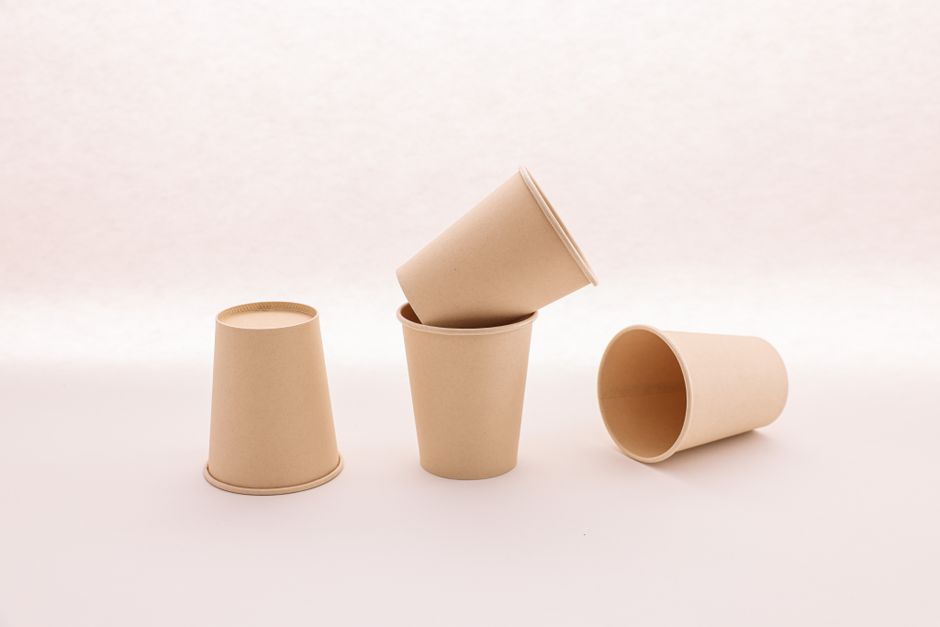
What is ASTM D6400 and why should I care?
ASTM D6400 is the US standard for compostable plastics. It specifies that a product must disintegrate into pieces smaller than 2mm within 90 days, biodegrade at least 90% within 180 days, and have no adverse effects on the composting process or plant growth. It's the gold standard for compostable food packaging in North America. Without it, you're essentially buying a product with unverified claims.
We've seen buyers burned by suppliers who call their plates 'biodegradable' but can't show ASTM D6400 certification. One restaurant chain we worked with switched to our certified plates after their previous 'biodegradable' supplier's plates failed to break down in the composter, resulting in contamination fees. Always ask for the certificate number and verify it on BPI's website. For PLA and bagasse plates, ASTM D6400 certification adds about 5-10% to the cost, but it's non-negotiable for commercial compostability.
How do costs compare between compostable and biodegradable plates?
Here's where it gets real. Compostable plates (certified under ASTM D6400) typically cost 20-40% more than non-certified biodegradable plates. For example, a 9-inch bagasse plate from our factory runs $0.12-0.18/pc at 50k MOQ for certified compostable, while a similar-looking biodegradable plate (often PLA-coated paper) might be $0.08-0.12/pc. But that lower price can hide costs: if the biodegradable plate doesn't actually compost, your customer pays disposal fees or loses their eco-branding.
Let's look at a comparison table with real numbers for a 50,000-unit order:
| Plate Type | Material | Certification | Cost/pc (50k MOQ) | Compost Time (Industrial) |
|---|---|---|---|---|
| Compostable Bagasse | Sugarcane fiber | ASTM D6400 | $0.15 | 60-90 days |
| Compostable PLA | Polylactic acid | ASTM D6400 | $0.18 | 90-180 days |
| Biodegradable (unverified) | PLA-coated paper | None | $0.10 | Unknown |
| Kraft Paper (uncoated) | Paper | None | $0.07 | 30-60 days (if no coating) |
The table makes it obvious: you pay a premium for certification. But consider the total cost of ownership. If a biodegradable plate fails to compost, you might face reputational damage or regulatory fines. In California, for instance, selling non-compostable items labeled as compostable can trigger penalties under SB 1383.
Are there any hidden drawbacks to compostable plates?
Yes, and I'll be blunt: compostable plates aren't a silver bullet. First, they require industrial composting facilities, which aren't available everywhere. If your end customer throws a compostable plate into a home compost bin, it may take much longer or not break down at all. PLA plates, for example, need temperatures above 140°F to degrade—rare in backyard piles. So the greenest plate is useless if it ends up in a landfill.
Second, some compostable plates have moisture resistance that's too good. We've tested PLA-lined plates that held up for hours with hot soup, but that same durability means they don't break down in home compost. Bagasse plates are a better bet for home composting because they're fiber-based and break down faster, but they get soggy quickly. There's always a trade-off. Our advice: match the plate to the disposal infrastructure. If your client has access to commercial composting, go with ASTM D6400 PLA or bagasse. If not, consider uncoated kraft paper plates that can at least be recycled or home-composted.
What certifications should I look for besides ASTM D6400?
For North America, ASTM D6400 is the primary standard, but also look for BPI certification (the Biodegradable Products Institute) which verifies compliance with ASTM D6400. In Europe, EN13432 is the equivalent. For food contact, FDA 21 CFR 176.170 applies to paper and paperboard—our bagasse plates meet this for hot foods. Some buyers also ask for OK Compost HOME certification for home compostability, which is a higher bar.
Be wary of 'biodegradable' claims without any certification. We've seen suppliers put a leaf logo on packaging without third-party testing. Always request the certificate and check the scope: does it cover the entire product, including coatings and inks? For printed plates, make sure the ink is compostable too. Our factory uses water-based inks that are certified compostable under ASTM D6400.
How do I choose between bagasse, PLA, and kraft paper plates?
It depends on your use case. Bagasse (sugarcane fiber) is the workhorse: sturdy, microwave-safe, and compostable. It handles hot and oily foods well, but can be slightly rough in texture. PLA (cornstarch-based) is smooth and shiny, ideal for cold foods or short-term use with cold drinks, but it deforms at 120°F and is not microwave-safe. Kraft paper is the cheapest, but it's flimsy and requires a coating for grease resistance—and that coating often kills compostability.
Here's a quick decision guide:
- Hot, greasy foods (e.g., BBQ, pasta): Bagasse (compostable) or uncoated kraft paper (if you can accept sogginess).
- Cold salads, desserts: PLA (compostable) or coated paper (biodegradable but not always compostable).
- Dry snacks, bread: Kraft paper (lowest cost, recyclable if uncoated).
- High-end events: Bagasse with a smooth finish (compostable, premium look).
For B2B buyers, we recommend stocking bagasse as the primary option and PLA for specific cold applications. It simplifies inventory and ensures most of your products are certified compostable.
What are common misconceptions about compostable plates?
The biggest myth: 'Compostable means I can throw it anywhere and it will disappear.' Wrong. As mentioned, most compostable plates need industrial conditions. Another myth: 'All plant-based plates are compostable.' Not true. Some PLA plates are blended with non-compostable additives. And 'biodegradable' plates often contain oxo-degradable plastics that just fragment into microplastics—they're not compostable under ASTM D6400.
Here's a contrarian point: sometimes, a reusable plate system is greener than any single-use compostable plate. If you're serving 500 guests, washing 500 ceramic plates might have a lower environmental impact than sourcing, manufacturing, and composting 500 bagasse plates. But for events where washing isn't feasible, certified compostable plates are the best single-use option. Don't let perfect be the enemy of good.
What's the shelf life of compostable plates?
Most compostable plates have a shelf life of 1-2 years if stored in a cool, dry place. PLA plates can degrade faster in heat or humidity—we've seen PLA cups become brittle after 18 months in a hot warehouse. Bagasse plates are more stable. Always check the manufacturer's recommended storage conditions.
Can I microwave compostable plates?
Bagasse plates are generally microwave-safe for up to 3 minutes. PLA plates should not be microwaved—they'll warp or melt. Kraft paper plates without a plastic coating can be microwaved briefly, but they may get soggy. For hot foods, bagasse is your safest bet.
Are compostable plates more expensive than plastic?
Yes, typically 2-3x the cost of conventional plastic plates. But the gap is narrowing as demand grows. A 9-inch plastic plate costs about $0.05-0.07/pc, while a comparable compostable bagasse plate is $0.12-0.18/pc. However, many businesses pass the cost to consumers or use the eco-premium as a marketing differentiator. In our experience, customers are willing to pay 10-20% more for compostable packaging if it aligns with their values.
How can I verify a supplier's compostability claims?
Ask for the BPI certificate number (for US) or DIN CERTCO (for Europe). Check the expiry date—certifications expire and need renewal. Request test reports from an ISO 17025 accredited lab. And do a simple home test: bury a sample in moist soil for 30 days. If it doesn't show visible degradation, it's probably not compostable. But the gold standard is third-party certification.
We provide full certification documents to all our B2B clients, including the ASTM D6400 certificate and FDA compliance letter. If a supplier hesitates to share these, that's a red flag. Remember: the cost of a non-compliant product can be far higher than the premium for certified compostable plates.
Looking for eco-friendly tableware?
We supply compostable bagasse, PLA, paper and cornstarch packaging worldwide. Get a free quote today.
Get Free Quote →