Top 5 Compostable Containers for Hot Soups and Stews
Why Most Compostable Containers Fail at High Heat
You've seen it before. A customer orders a steaming bowl of pho or a hearty beef stew, and the container goes limp in their hands. The lid pops off. The bottom softens. That's not just a bad experience — it's a lost customer. Many compostable containers simply aren't designed for the thermal stress of hot soups and stews, which can reach 90-95°C (195-205°F) at serving temperature. The problem is that materials like PLA (polylactic acid) have a glass transition temperature around 55-60°C. Put hot soup in a standard PLA cup, and you get a sagging mess. But that doesn't mean you have to choose between sustainability and performance. There are solutions on the market that handle heat properly. We've tested dozens of containers across our factory network and independent labs. Here are the top five that actually work.
1. Bagasse Clamshell with Double-Wall Construction
Bagasse (sugarcane fiber) is the workhorse of compostable hot-food packaging. It's naturally heat-resistant up to 120°C (248°F), far beyond the boiling point of water. But not all bagasse containers are equal. The key is wall thickness. A single-wall bagasse bowl might hold up for 10-15 minutes before moisture starts to wick through. A double-wall design — with an air gap or a denser inner layer — can keep soups hot for 30+ minutes without any leakage.
Pros: Excellent heat tolerance; natural fiber appearance; microwave-safe; certified compostable (ASTM D6400).
Cons: Can feel rough to the touch; not entirely greaseproof without a coating; higher cost than foam (but comparable to coated paper).
Rating: 4.5/5 — Best overall pick for high-heat applications.
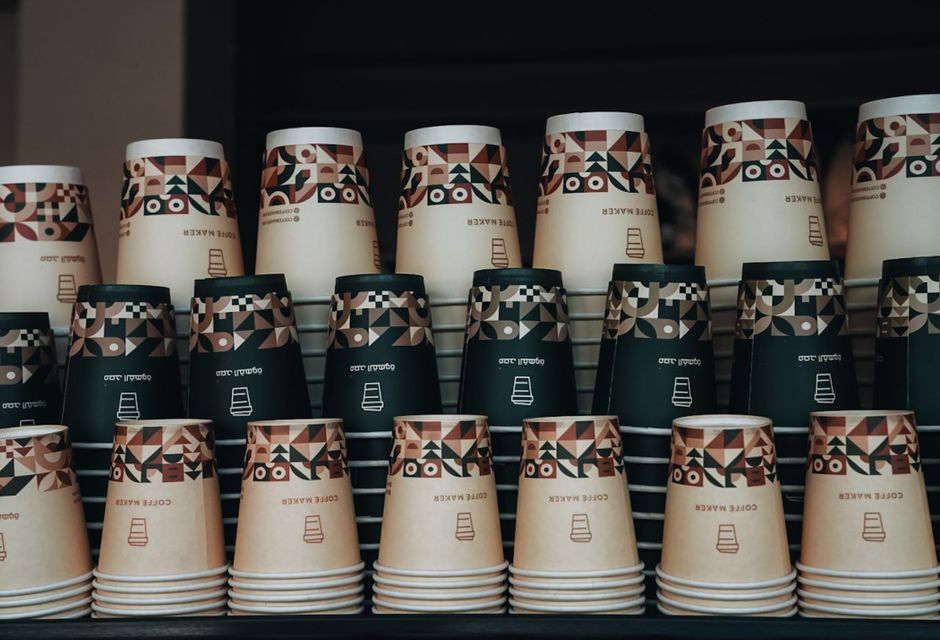
2. PLA-Lined Kraft Paper Cups with Insulating Sleeves
Kraft paper is a renewable, compostable material, but it's porous. That's why most hot cups are lined with a thin layer of PLA. The PLA acts as a moisture barrier, while the paper provides structural rigidity. However, the PLA lining still has a heat limit. For soups above 80°C, we recommend a double-wall cup or an added insulating sleeve. The sleeve creates an air gap that reduces heat transfer to the outer layer, keeping the cup rigid.
Pros: Lightweight; good printability; widely available; PLA lining meets FDA 21 CFR 176.170 for hot-fill foods.
Cons: PLA lining can delaminate if the cup is microwaved too long; not suitable for extended contact with fatty soups (e.g., cream-based) as PLA degrades faster with oil.
Rating: 4/5 — Great for soups under 85°C; use with caution for boiling-hot stews.
3. Cornstarch-Based Rigid Containers (CPLA)
CPLA (crystallized PLA) is a modified form of PLA that can withstand temperatures up to 90°C (194°F). It's often used for hot-lid applications and sturdy bowls. We've tested CPLA containers with lentil soup at 88°C — they held firm for over an hour. The trade-off is brittleness. CPLA is harder than regular PLA, so it can crack if dropped. Also, it's not microwave-safe for extended periods because the heat can cause it to soften unevenly.
Pros: High heat tolerance; rigid feel similar to polypropylene; certified compostable (EN 13432).
Cons: Brittle; not microwave-safe above 2 minutes; more expensive than bagasse.
Rating: 4/5 — Niche use for hot soups where rigidity is critical.
4. Bagasse Bowl with PLA Coating (Hybrid)
Some manufacturers combine bagasse with a thin PLA coating to improve grease resistance. The bagasse provides the heat tolerance, while the PLA seals the surface. This hybrid approach works well for oily soups like chili or ramen. However, the coating adds a layer of plastic — even if it's compostable — which can confuse customers who expect a pure fiber product. Also, the coating can bubble if the soup is above 95°C.
Pros: Best of both worlds: heat resistance + grease barrier; certified compostable; microwave-safe (short bursts).
Cons: PLA coating adds cost; not fully fiber-based; some facilities may not accept coated bagasse in their compost stream.
Rating: 4.5/5 — Ideal for oily, hot soups if you can educate customers about the coating.
5. Kraft Paper Bowl with Compostable Inner Lining (Bio-PE)
Bio-PE (bio-based polyethylene) is made from sugarcane ethanol and is chemically identical to conventional PE. It's not compostable in home systems, but it is industrially compostable (EN 13432). These bowls have a paper exterior and a thin bio-PE lining that provides excellent moisture and grease resistance. They can handle soups up to 100°C, but the paper outer layer may lose strength if soaked for long periods.
Pros: Excellent grease barrier; no PLA delamination issues; recyclable in paper stream if lining is less than 5% by weight.
Cons: Not home-compostable; bio-PE is still a plastic (though renewable); higher cost than standard paper cups.
Rating: 3.5/5 — Good option if you need a strong moisture barrier and can accept industrial composting only.
Comparison Table: Key Specs at a Glance
| Container Type | Max Temp (°C) | Cost per Unit (50k MOQ) | Compost Certification | Microwave Safe | Grease Resistance |
|---|---|---|---|---|---|
| Double-wall bagasse | 120 | $0.18-0.25 | ASTM D6400 | Yes | Moderate |
| PLA-lined kraft cup | 85 | $0.08-0.12 | EN 13432 | Yes (short) | Good |
| CPLA rigid container | 90 | $0.22-0.30 | EN 13432 | No | Good |
| Bagasse + PLA hybrid | 95 | $0.20-0.28 | ASTM D6400 | Yes (short) | Excellent |
| Kraft + bio-PE bowl | 100 | $0.15-0.20 | EN 13432 | No | Excellent |
Common Misconception: 'All Compostable Containers Are Microwavable'
Here's a truth that might surprise you: not all compostable containers are safe for microwave use. PLA, for instance, can soften or warp in the microwave. Bagasse is generally fine, but coated versions may have issues. We've seen customers assume that because a container is labeled 'compostable,' it can go in the microwave. That's not always the case. Always check the manufacturer's specs. A good rule of thumb: if the container feels waxy (PLA lining) or is made of rigid CPLA, avoid the microwave. Stick with bagasse or paper-based options for reheating.
FAQ: What to Consider When Buying in Bulk
Which certification should I look for to ensure compostability?
For the US market, ASTM D6400 (industrial compostability) is the gold standard. For Europe, EN 13432. Some products claim 'biodegradable' without certification — avoid those. Certified products have been tested to degrade within 90-180 days in commercial facilities.
Can I use these containers for frozen soups as well?
Yes, but check the freezer tolerance. Bagasse and kraft paper bowls can handle freezing down to -18°C. PLA-based containers may become brittle below 0°C. For dual hot/frozen use, bagasse is your safest bet.
How do I choose between bagasse and PLA-lined paper for hot soups?
It depends on your soup type and serving temperature. For clear broths under 85°C, PLA-lined paper is cost-effective. For thick stews or soups served above 85°C, go with bagasse. If grease is a concern (e.g., chili), consider the hybrid bagasse+PLA option.
Final Recommendations for Your Business
We've seen the market shift rapidly. Five years ago, few compostable options could handle hot soups. Today, you have multiple robust choices. For most operators, we recommend starting with double-wall bagasse bowls for hot soups and PLA-lined kraft cups for warm beverages. The hybrid bagasse+PLA bowl is our top pick for versatility — it handles heat, grease, and microwaving better than any single-material option. Yes, it costs a bit more, but customer satisfaction and reduced waste make it worth the investment. Test a sample batch with your specific menu items before committing to a large order. Your customers will thank you, and so will the planet.
Looking for eco-friendly tableware?
We supply compostable bagasse, PLA, paper and cornstarch packaging worldwide. Get a free quote today.
Get Free Quote →