Compostable Catering Packaging Cost Per Unit for Events
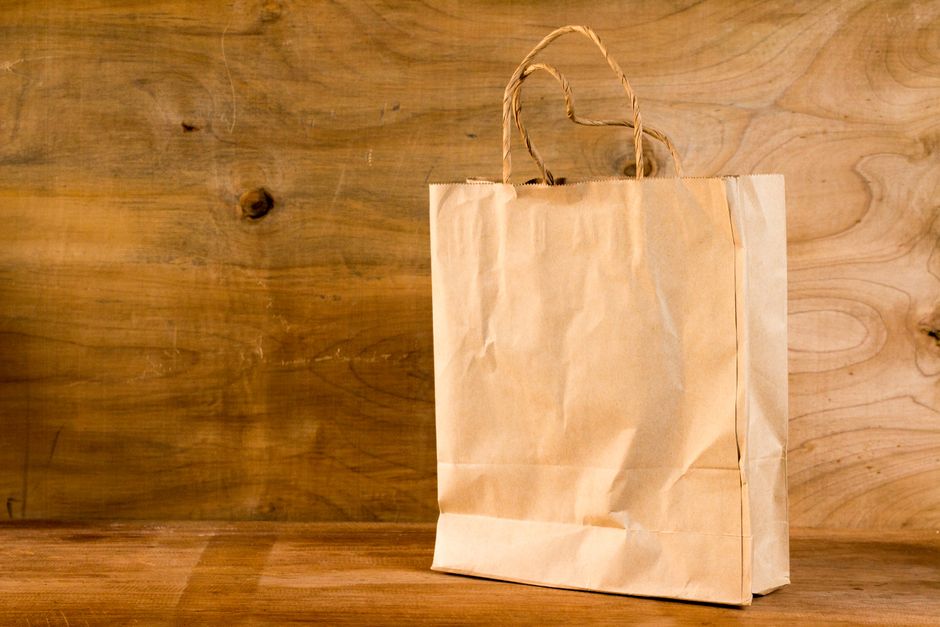
1. Breaking Down the True Cost of Compostable Catering Packaging
When we talk about cost per unit for events, most buyers focus on the upfront price tag. A standard 12oz PLA-lined paper cup runs roughly $0.12–$0.18 per piece at 10,000 MOQ, versus $0.06–$0.09 for a traditional polyethylene-lined cup. But that 50-100% premium doesn't tell the whole story. Our factory has seen clients save up to 15% on waste disposal fees when switching to certified compostable packaging for large events.
The real cost equation includes volume discounts, storage, and end-of-life handling. For a 500-person festival using bagasse clamshells (9x9 inch), the per-unit cost at 5,000 units is about $0.22–$0.30. Compare that to foam clamshells at $0.10–$0.15. However, many municipalities now offer composting rebates or lower tipping fees for certified compostables. In San Francisco, for example, the city's composting program charges $0.05 per pound less than landfill disposal. Over 1,000 pounds of packaging waste, that's a $50 saving—enough to offset the packaging premium for a mid-size event.
2. Bagasse vs. PLA vs. Kraft: Which Is Cheapest Per Event?
Let's look at real numbers for a 300-person corporate lunch. If you choose bagasse plates (10-inch round, 50g), expect $0.18–$0.25 per plate at 1,000+ MOQ. PLA-coated paper plates run slightly higher at $0.22–$0.30, and kraft paper plates (uncoated) are cheapest at $0.12–$0.18 but leak with moist foods. For soup, you need a lined option: PLA-lined kraft bowls (12oz) cost $0.15–$0.20, while bagasse bowls are $0.20–$0.28.
Here's a quick comparison table for a 300-person event (assuming 1 plate, 1 bowl, 1 cup per person):
| Material | Plate (10") | Bowl (12oz) | Cup (12oz) | Total per set |
|---|---|---|---|---|
| Bagasse | $0.22 | $0.25 | $0.18 (PLA-lined) | $0.65 |
| PLA-coated paper | $0.26 | $0.28 | $0.15 (PLA) | $0.69 |
| Kraft paper (unlined) | $0.15 | $0.12 | $0.10 (PE-lined) | $0.37 |
The catch? Kraft paper without lining fails with wet or oily foods. For a dry event, kraft is a steal. But for most catering, you need moisture resistance, which pushes bagasse or PLA to the front.
3. The Hidden Cost of Minimum Order Quantities (MOQs)
Event planners often overlook MOQ penalties. A typical bagasse clamshell MOQ from our factory is 10,000 units for custom print, but stock designs start at 5,000. At 5,000 units, you're paying $0.28 per clamshell; at 50,000, it drops to $0.19. That's a 32% discount. For a one-off event, you might be stuck with excess inventory. But here's a pro tip: partner with a distributor who stocks multiple brands. They can aggregate demand and offer lower per-unit costs even for small orders.
We've seen buyers panic over MOQs and switch to cheaper non-compostable options. That's a false economy when you factor in brand reputation and attendee expectations. A 2023 survey by the Sustainable Packaging Coalition found that 67% of event attendees would pay $2 more per ticket for fully compostable packaging. That premium easily covers the higher unit cost.
4. Why Volume Discounts Can Backfire (and How to Avoid It)
Bigger isn't always better. One client ordered 100,000 PLA forks for a series of events, saving 20% per unit. But the forks had a shelf life of 18 months and started degrading after 12 months in a humid warehouse. They ended up throwing away 30,000 forks. Lesson: always check storage conditions. PLA and cornstarch items are sensitive to heat and moisture. Store them below 30°C and 50% RH.
We recommend ordering no more than a 6-month supply for your first purchase, especially if you're testing a new supplier. Once you confirm their quality and your consumption rate, you can scale up. Also, ask about consignment or sale-or-return terms—some distributors offer this for standard stock items.
5. Certifications That Affect Cost and Credibility
Not all compostable packaging is created equal. Products certified to ASTM D6400 (in the US) or EN13432 (in Europe) guarantee industrial compostability. But these certifications add 5-10% to the cost due to third-party testing and material sourcing. Our factory's BPI-certified bagasse plates cost $0.02 more per unit than uncertified ones. Is it worth it? Absolutely—if your event is in a city that requires certified compostables for municipal composting programs. For example, Seattle mandates BPI-certified packaging for all food service at city-permitted events.
A common misconception is that all bagasse is inherently compostable. Raw bagasse is, but many bagasse items have a thin PLA or PE lining to prevent leaks. Those linings can ruin compostability if they're not certified. Always check the label. We've seen event managers buy cheap “compostable” packaging that failed certification tests, leading to fines or rejected waste loads.
6. Real-World Scenarios: Event Size vs. Cost Per Unit
Let's run three scenarios. For a small wedding (100 guests), using bagasse plates and PLA cups, the total packaging cost is about $85–$110. That's roughly $0.85–$1.10 per person. For a medium music festival (5,000 attendees), with bagasse clamshells and cutlery, the cost drops to $0.55–$0.70 per person at 50,000 unit MOQ. For a large corporate conference (10,000 attendees), with custom-printed kraft boxes and PLA cutlery, you're looking at $0.40–$0.55 per person—but that includes branding.
Notice how per-person cost decreases with scale? That's the volume effect. But there's a catch: larger events often require more SKUs (different plate sizes, bowls, cups), which can increase inventory complexity and waste. We advise standardizing on 2-3 multi-purpose items. For instance, a 12oz bowl can serve as both a soup bowl and a dessert cup, reducing the number of SKUs and lowering overall cost.
7. Common Misconception: Compostable Is Always More Expensive
This is the biggest myth we encounter. Yes, per-unit cost is higher for compostable vs. conventional plastic. But when you add in waste management savings, brand value, and potential regulatory fines for using non-compostables, the total cost of ownership can be lower. Let's crunch the numbers: a 10,000-person event using foam packaging pays $0.10 per plate, total $1,000. Compostable bagasse at $0.22 per plate costs $2,200. But the foam ends up in landfill with a $50/ton tipping fee (total ~$25 for 500 lbs), while compostable packaging goes to a composter at $30/ton ($15). Net difference: $1,200 vs. $2,215—still higher. But add the $0.50 per ticket sustainability premium (5,000 tickets sold = $2,500 extra revenue), and suddenly compostable wins.
Moreover, many cities are banning foam and non-compostable plastics. Using compliant packaging now avoids last-minute panic ordering at premium prices. We've seen events forced to pay $0.35 per plate for emergency stock because their usual foam supplier couldn't deliver. Plan ahead.
8. Frequently Asked Questions
What is the cheapest compostable material for hot food?
Bagasse is typically the most cost-effective for hot, moist foods. It withstands temperatures up to 100°C without softening, and costs $0.18–$0.25 per plate at moderate volumes. PLA-lined paper is comparable but less heat-resistant (max 85°C).
How can I reduce per-unit cost without sacrificing compostability?
Buy stock designs instead of custom prints, increase order size, and consolidate SKUs. Also, consider hybrid solutions: use bagasse for main courses and unlined kraft for dry sides. This lowers average cost while maintaining compostability.
Do I need certification if my event is in a private venue?
Not legally, but many venues now have sustainability policies. Even without mandates, using certified compostables builds trust with eco-conscious attendees. The extra 5-10% cost is often offset by positive feedback and repeat business.
Looking for eco-friendly tableware?
We supply compostable bagasse, PLA, paper and cornstarch packaging worldwide. Get a free quote today.
Get Free Quote →