
PE-Lined vs PLA-Lined Paper Cups: Compostability and Cost Analysis
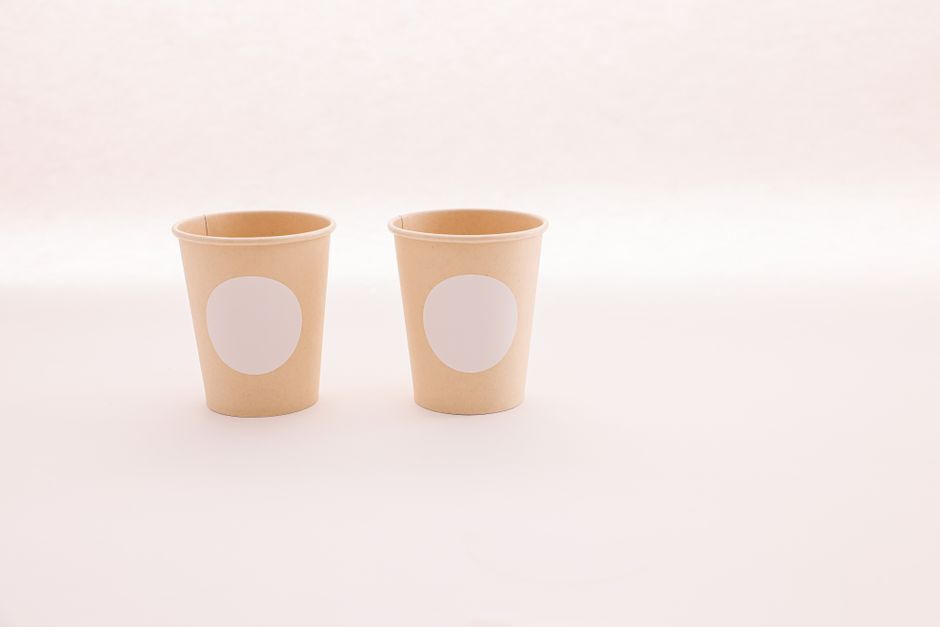
PE-Lined vs PLA-Lined Paper Cups: Compostability and Cost Analysis
If you're sourcing paper cups for your business, you've likely encountered the PE vs PLA lining debate. Polyethylene (PE) is the traditional plastic lining that makes cups waterproof. Polylactic acid (PLA) is a bioplastic derived from cornstarch. Both work, but they differ dramatically in compostability, cost, and supply chain fit. At GreenServeware, we produce both types and export to 40+ countries. Here's what we've learned from thousands of B2B orders.
What Is PE Lining and Why Has It Dominated?
PE lining is a thin layer of polyethylene (usually LDPE) applied to the inner surface of paper cups. It's cheap, reliable, and has been the industry standard for decades. A standard 12oz PE-lined cup costs around $0.04–0.06 per piece at a 50,000 MOQ. The material is waterproof and holds hot liquids well—up to 100°C without softening. But here's the catch: PE-lined cups are not compostable. They can be recycled only in specialized facilities that separate the paper from the plastic, which are rare. Most end up in landfills or incinerators.
From a manufacturer's perspective, PE lining is easy to apply. Our automated lines can produce 500M+ pieces annually with consistent quality. But the environmental cost is real. Many municipalities now ban PE-lined cups from composting streams. For B2B buyers aiming for green credentials, PE is a liability.
PLA Lining: The Compostable Alternative
PLA lining is made from fermented plant starch (usually corn). It's designed to break down in industrial composting facilities. A 12oz PLA-lined cup costs $0.08–0.12 per piece at 50k MOQ—roughly double the PE version. But the price gap is narrowing as biopolymer production scales. PLA cups are certified compostable under ASTM D6400 and EN13432, meaning they disintegrate within 90 days in a commercial composter. They also handle hot liquids up to about 85°C (185°F), which is fine for coffee but not boiling water.
One common misconception: PLA is not biodegradable in home composts or landfills. It requires specific conditions (temperature >55°C, oxygen, humidity) to break down. In a landfill, it can persist for decades. This matters for B2B buyers who need to match disposal infrastructure. If your customers have access to industrial composting, PLA is a solid choice. If not, the environmental benefit diminishes.
Head-to-Head Comparison: PE vs PLA Lined Cups
| Parameter | PE-Lined Cup | PLA-Lined Cup |
|---|---|---|
| Material | Polyethylene (LDPE) | Polylactic acid (cornstarch) |
| Cost per piece (12oz, 50k MOQ) | $0.04–0.06 | $0.08–0.12 |
| Heat resistance | Up to 100°C | Up to 85°C |
| Compostability certification | None | ASTM D6400, EN13432, BPI |
| Composting time (industrial) | Not applicable | 60–90 days |
| Recyclability | Limited (paper-plastic separation needed) | Not recyclable; compost only |
| Shelf life | 1–2 years | 6–12 months (if stored cool/dry) |
| Custom printing | Easy (standard offset/ flexo) | Requires low-temp inks; slower production |
| MOQ for custom | 5,000 pcs | 10,000 pcs (due to material sensitivity) |
Cost Analysis: Beyond Unit Price
Unit cost is only part of the picture. Consider these hidden factors:
- Minimum order quantities: PLA cups often require higher MOQs (10k vs 5k) because the material is more sensitive to temperature and humidity during storage.
- Lead times: Stock PE cups ship in 15–20 days. Custom PLA cups take 30–45 days because the lining process is slower and requires careful curing.
- Storage costs: PLA cups degrade faster. If you store them for 9+ months in a hot warehouse, you may lose 10–15% to warping or brittleness. PE cups are stable for years.
- Disposal fees: Some regions charge higher waste processing fees for non-compostable cups. Check local regulations—this can add $0.01–0.03 per cup in hidden costs.
We've seen B2B buyers switch to PLA only to realize their waste hauler doesn't accept compostable cups. Always verify infrastructure before ordering.
Which One Should You Choose?
There's no universal answer. Here's our rule of thumb:
- Choose PE-lined if: your priority is lowest cost, you serve hot beverages above 85°C, or your customers lack access to industrial composting.
- Choose PLA-lined if: you need compostability certifications for regulatory compliance, your brand markets sustainability, and your waste stream goes to a commercial composter.
We've also seen hybrid solutions: some clients use PE cups for hot coffee and PLA cups for cold drinks. That can optimize cost and eco-credibility.
Customization and Compliance Notes
Both linings can be custom printed with your logo. At our factory, we offer free sample sets for qualified buyers. For custom molds, lead time is 30–45 days. All our cups are FDA 21 CFR 176.170 compliant for food contact. PLA cups carry BPI and EN13432 certificates. We recommend requesting a certificate of analysis with each shipment to ensure lining thickness meets specs (typically 0.5–1.0 mil for PE, 0.8–1.2 mil for PLA).
Frequently Asked Questions
Are PLA-lined cups truly compostable in home compost?
No. PLA requires industrial composting conditions (55°C+). Home compost piles rarely reach that temperature. Look for TUV Home Compost certification if you need home compostable—but that's a different material (usually PBAT blends).
Can PE-lined cups be recycled?
Technically yes, but only at facilities that can separate the plastic from the paper. Few exist. Most PE cups go to landfill. Consider this when marketing to eco-conscious clients.
What is the MOQ for custom PLA cups at GreenServeware?
Our standard MOQ for custom PLA-lined cups is 10,000 pieces per design. For stock items, MOQ starts at 5,000. Free samples are available for qualified buyers.
Looking for eco-friendly tableware?
We supply compostable bagasse, PLA, paper and cornstarch packaging worldwide. Get a free quote today.
Get Free Quote →