
How to Calculate True Cost of Eco Packaging (Including Hidden Fees)
Step 1: Start With Unit Price — But Don't Stop There
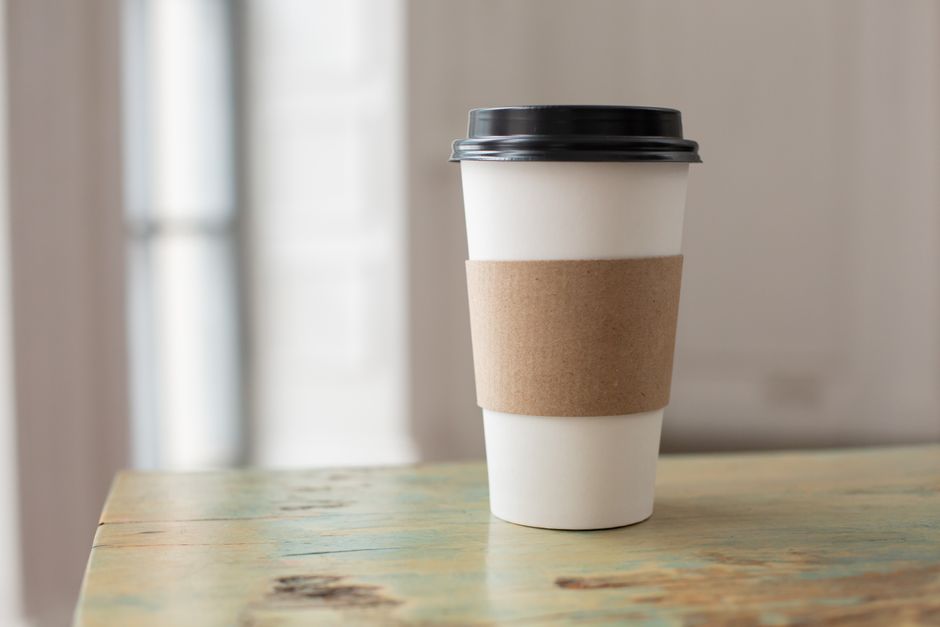
When buyers first compare eco packaging, they look at unit price. A 500ml PLA cup at $0.10 looks cheaper than a bagasse clamshell at $0.15. But that's just the tip of the iceberg. The true cost includes logistics, storage, compliance, and even customer satisfaction. At GreenServeware, we've seen buyers switch from PLA to bagasse after realizing the hidden costs of temperature sensitivity and shorter shelf life. Let's break down each layer.
Step 2: Factor in Logistics & Storage Costs
Eco packaging often has different density and durability than plastic. Bagasse containers are lightweight but bulky. A 40ft container holds about 120,000 bagasse clamshells vs 200,000 PET clamshells. That means higher shipping cost per piece. For a US West Coast port, ocean freight adds $0.02-0.03/pc for bagasse vs $0.01-0.02 for PET. PLA cups are similar to plastic in density but require climate-controlled storage. If your warehouse hits 45°C in summer, PLA can warp. That's a hidden cost of rejected inventory. Kraft paper boxes, on the other hand, stack flat and save 70% storage space compared to molded pulp. Choose based on your supply chain reality.
Step 3: Compliance & Certification Costs
You need certifications to sell in regulated markets. FDA 21 CFR 176.170 for food contact, BPI for compostability claims, EN13432 for EU. These aren't free. A BPI certification costs $5,000-15,000 per product line and takes 6-12 months. Some suppliers pass this cost to you in markup. At GreenServeware, we hold these certifications at the factory level, so you don't pay per order. But verify your supplier's certs — many claim "compostable" without ASTM D6400 testing. That can lead to fines or lawsuits. We've seen a restaurant chain fined $50k for false eco claims. Always ask for test reports.
Step 4: Hidden Costs of Customization
Custom printing and mold design add cost. For bagasse, custom mold design costs $500-3,000 per mold, with a minimum 50,000 pieces per run. PLA and kraft paper allow digital printing with no mold fee, but ink costs $0.01-0.03 per piece. At GreenServeware, we offer free mold design for orders above 200k pieces, but many suppliers charge $500 just for a sample mold. Also consider lead time: custom orders take 30-45 days vs 15-25 for stock. If you need rush delivery, expedite fees can add 15-20%. Plan ahead.
Step 5: Performance & Wastage Costs
Not all eco packaging performs the same. Bagasse handles hot, oily food well but can leak if overfilled. PLA is good for cold items but deforms above 40°C. Cornstarch-based containers are brittle and crack in freezing. Kraft paper needs a PLA lining for grease resistance, adding cost. Wastage from breakage during transport or use eats into margins. For example, a restaurant using PLA for hot soup had 5% failure rate vs 0.5% for bagasse. That 4.5% difference adds $0.005/pc in hidden cost. Test your application with free samples before scaling.
| Material | Unit Cost (50k MOQ) | Shipping Cost/pc (USWC) | Storage Cost/m³ | Failure Rate (hot food) |
|---|---|---|---|---|
| Bagasse clamshell | $0.15 | $0.03 | $0.50 | 0.5% |
| PLA cup | $0.10 | $0.02 | $0.80 (climate control) | 5% |
| Kraft paper box | $0.12 | $0.01 | $0.20 | 1% |
| Cornstarch container | $0.13 | $0.02 | $0.40 | 3% |
Step 6: Calculate Total Cost Per Use
Add all costs: unit + shipping + storage + compliance + wastage. For a bagasse clamshell: $0.15 + $0.03 + $0.005 (storage) + $0.01 (compliance amortized) + $0.001 (wastage) = $0.196. For PLA: $0.10 + $0.02 + $0.008 + $0.01 + $0.005 = $0.143. But that doesn't include customer perception. A 5% failure rate means 5% of customers get a leaky container — that's lost repeat business worth $0.50 per customer. Suddenly bagasse is cheaper. Always think in total cost of ownership.
Step 7: Compare MOQ & Lead Time Impact
Low MOQ sounds good, but frequent small orders increase freight cost. At GreenServeware, MOQ starts at 5,000 pieces. Ordering 50,000 at once saves 20% on unit price and 30% on shipping. For stock items, lead time is 15-25 days. Custom orders take 30-45 days. If you need just-in-time inventory, factor in warehousing costs. We offer consignment for large accounts, but that's rare. Plan 2-3 months ahead for custom packaging to avoid rush fees.
FAQ: What is the cheapest eco packaging material?
Kraft paper boxes have the lowest unit cost at $0.12 for a 500ml size, but they require a PLA lining for grease resistance, adding $0.02. Bagasse is $0.15 but performs better for hot food. The cheapest per-use depends on your application. For cold items, PLA at $0.10 is cheapest. For hot, bagasse wins.
FAQ: Are there hidden fees for certification?
Yes. Some suppliers charge a "certification fee" per order. Always ask if they hold factory-level certs like FDA, BPI, EN13432. At GreenServeware, we include these at no extra cost. But third-party testing for custom designs may cost $500-2,000. Get it in writing.
FAQ: How do I reduce logistics costs for eco packaging?
Choose flat-packable items like kraft paper boxes. For bagasse, request nested designs that reduce volume by 30%. Consolidate orders into full containers. Use a freight forwarder with experience in eco packaging. At GreenServeware, we help optimize container loading — we once fit 15% more clamshells per container by adjusting the stack pattern.
Looking for eco-friendly tableware?
We supply compostable bagasse, PLA, paper and cornstarch packaging worldwide. Get a free quote today.
Get Free Quote →