
Eco Packaging for Cloud Kitchens: Cost-Effective Compostable Solutions
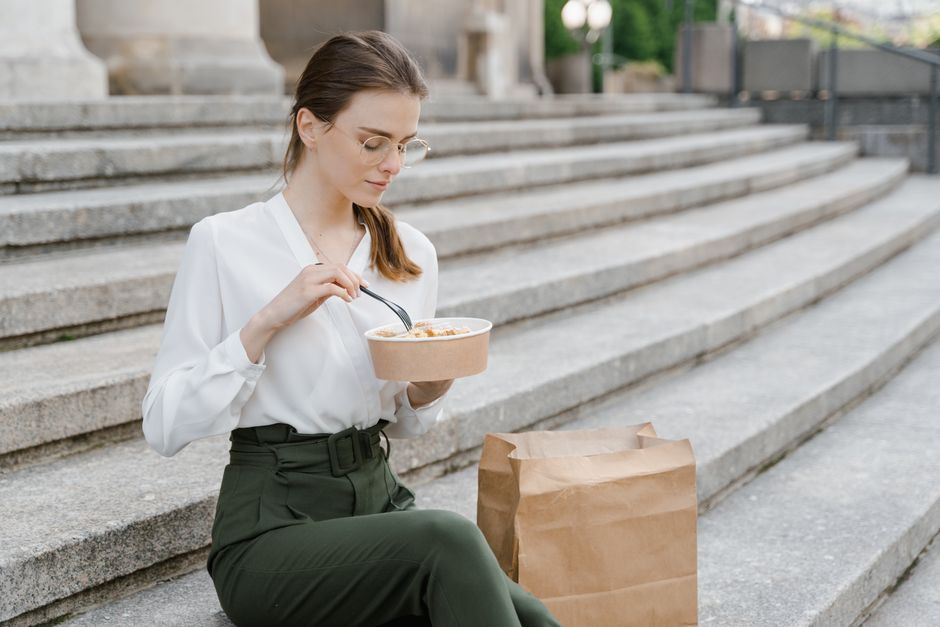
Why Cloud Kitchens Need a Different Packaging Strategy
Cloud kitchens operate on razor-thin margins. Every component of your delivery—from the container to the lid—affects your bottom line and your brand reputation. Unlike dine-in restaurants, your packaging is your only physical touchpoint with the customer. It must keep food intact during transit, maintain temperature, and project quality—all while staying affordable.
Traditional plastic containers are cheap but increasingly problematic. Many cities now ban single-use plastics. Customers actively avoid brands using Styrofoam. The solution? Compostable packaging that meets both functional and regulatory demands without breaking your budget.
At GreenServeware, we've supplied over 500 million pieces to cloud kitchens in 40+ countries. We've seen what works and what doesn't. This guide breaks down the real costs, compliance requirements, and practical tips for switching to eco-friendly packaging.
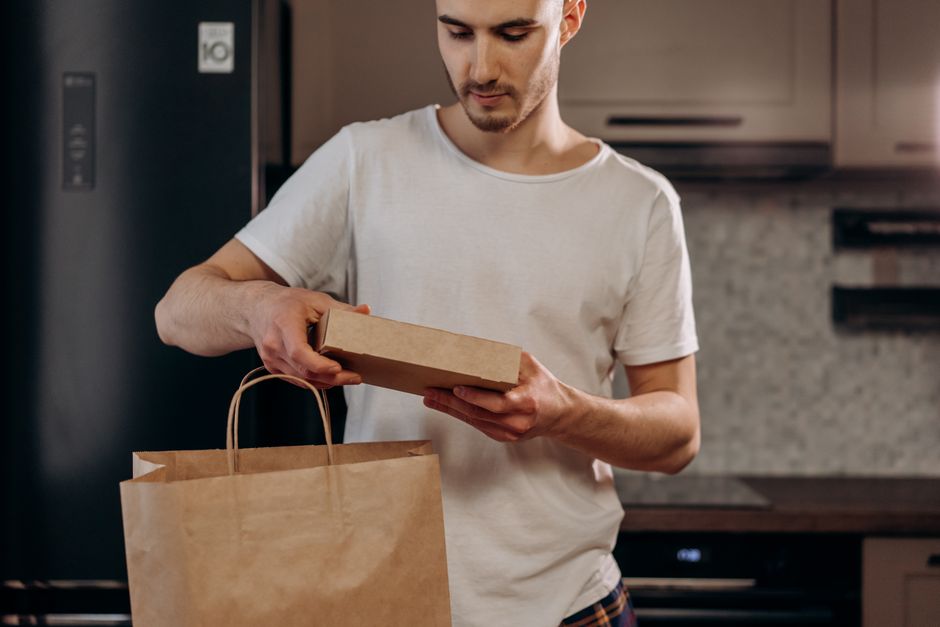
Comparing Compostable Materials for Cloud Kitchens
Not all compostable materials perform the same. Here's a quick comparison of the four most common options we manufacture:
| Material | Best For | Temperature Range | Cost per Piece (50k MOQ) | Composting Cert |
|---|---|---|---|---|
| Bagasse (sugarcane fiber) | Dry & wet foods, hot meals | -10°C to 120°C | $0.04–0.08 | BPI, EN13432 |
| PLA (corn-based plastic) | Cold foods, salads, smoothies | Up to 40°C | $0.08–0.12 | ASTM D6400 |
| Cornstarch blends | Cutlery, straws | Up to 80°C | $0.02–0.05 | EN13432 |
| Kraft paper | Dry items, wraps, bags | Up to 60°C (with lining) | $0.03–0.06 | FSC certified |
Bagasse is our most popular choice for cloud kitchens. It's microwave-safe, grease-resistant, and sturdy enough for curries, pastas, and salads. PLA works well for cold items but fails under heat—a common mistake we see.
Real Cost Breakdown: Is Compostable Really Cheaper?
Here's a contrarian take: compostable packaging can actually be cheaper than plastic if you factor in compliance costs. Many cities now impose fees on single-use plastics—up to $0.10 per container in some US states. That wipes out the price advantage of plastic.
Let's crunch numbers for a cloud kitchen doing 500 orders daily. Using a 500ml bagasse clamshell at $0.06/pc vs. a PET plastic clamshell at $0.04/pc: the daily difference is $10. That's $3,650 per year. But if your city charges $0.05 per plastic container fee, the annual cost becomes $9,125 for plastic vs. $10,950 for bagasse—only a $1,825 difference. And you gain customer goodwill, regulatory safety, and marketing value.
Our factory's scale helps: with 6 automated pulp molding lines and 500M+ annual capacity, we keep bagasse prices competitive. MOQ starts at 5,000 pieces for standard items, and free samples are available for qualified buyers.
Compliance Certifications You Actually Need
Don't get fooled by vague 'eco-friendly' claims. B2B buyers need verifiable certifications. Here are the key ones for cloud kitchens:
- FDA 21 CFR 176.170 – Required for food contact in the US. Our bagasse products pass all migration tests.
- BPI Certification – Ensures compostability in commercial facilities. Required for marketing as 'compostable' in North America.
- EN13432 – The European standard for compostable packaging. Mandatory for EU markets.
- ISO 9001 – Quality management system. Not mandatory but shows manufacturing consistency.
We hold all these certifications. Always ask your supplier for test reports—not just certificates. We provide SGS testing data on request.
Customization: Make Your Brand Stand Out
Your packaging is a billboard. Custom printing and mold design can turn a commodity container into a brand asset. We offer:
- Custom printing with water-based inks (up to 4 colors)
- Custom mold design for unique shapes (lead time 30–45 days)
- Embossing and debossing options
- Minimum order for custom items: 50,000 pieces
One client reduced their packaging cost by 15% by switching from a rectangular to a round clamshell—our design team optimized material usage. Free samples let you test before committing.
Logistics and Lead Times: What to Expect
Cloud kitchens need reliable supply chains. We ship from our 15,000 sqm facility in China. Typical lead times:
- Stock items: 15–25 days
- Custom orders: 30–45 days
- Air freight available for urgent orders (5–7 days)
We export to the US, EU, Australia, and Middle East. Our logistics team handles customs documentation and can arrange door-to-door delivery. For a medium-sized cloud kitchen chain, we recommend ordering 6–8 weeks of inventory to buffer against shipping delays.
Common Misconceptions About Compostable Packaging
Myth #1: Compostable packaging is too flimsy for hot food. Reality: Bagasse withstands up to 120°C—fine for most cooked foods. Myth #2: It's always more expensive. As shown above, the gap is narrowing, especially with plastic bans. Myth #3: It's not truly compostable. Our products meet ASTM D6400 and EN13432, meaning they biodegrade within 90 days in commercial facilities.
FAQs
What is the minimum order quantity for custom printing?
We require 50,000 pieces for custom printing or mold design. For standard items, MOQ is 5,000 pieces.
Can I get free samples before placing a large order?
Yes. Qualified buyers can request free samples. Contact us with your requirements, and we'll send samples with shipping costs covered.
Are your products microwave and freezer safe?
Bagasse products are microwave-safe up to 3 minutes and freezer-safe down to -10°C. PLA is not microwave-safe. Always check product specifications.
Looking for eco-friendly tableware?
We supply compostable bagasse, PLA, paper and cornstarch packaging worldwide. Get a free quote today.
Get Free Quote →